
Hormuz on edge: 10 Indian tankers break through as ship traffic collapses from 130 a day to under 5
ADVERTISEMENT
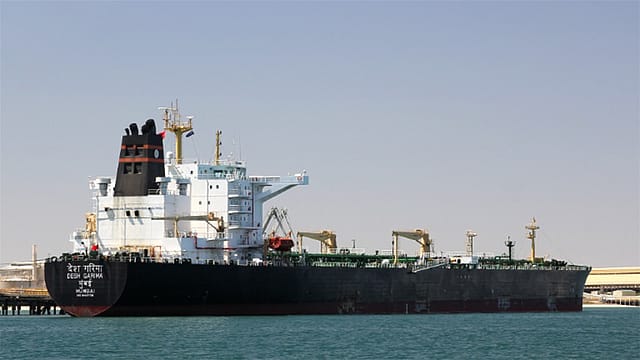
The arrival of crude oil tanker Desh Garima off the Mumbai coast this week underscores a larger, high-risk trend playing out in the Strait of Hormuz—one that has direct implications for India’s energy security.
Since tensions escalated around April 13, at least 10 Indian-linked tankers have successfully crossed the Strait, even as 14 others remain in or around the region, reflecting both resilience and disruption in oil logistics.
As per logistics industry trackers, the scale of the slowdown is stark. Daily vessel traffic through Hormuz has fallen from 120–140 ships to just a handful on certain days, as security concerns, firing incidents and operational uncertainty deter movement.
High-risk transits reshape shipping playbook
For Indian operators, each voyage through the corridor has become a tightly managed operation. Tankers are relying on advanced risk mitigation protocols, dynamic route planning and close coordination with naval authorities to navigate the stretch.
Furthermore, some vessels have altered routes to hug relatively safer waters near Oman and the UAE, while others are timing their passage to coincide with narrower windows of reduced activity. Industry executives describe these as “crisis transits”, far removed from routine commercial sailings.
The risks are not limited to physical threats. Ambiguous communication from regional forces and reports of vessels being forced to turn back have added to operational uncertainty, increasing both transit time and insurance costs, as per numerous media reports.
Supply chains under pressure
Notably, the Strait of Hormuz typically handles nearly 20% of global oil flows, making the current disruption a significant supply-side concern. For India, which imports the bulk of its crude requirements, even partial delays can ripple through refining schedules and inventory planning.
While alternative routes and pipeline options are being evaluated globally, they offer limited near-term relief and come with higher logistics costs.
Despite the disruption, the continued movement of a limited number of tankers suggests that oil flows have not halted entirely—but remain constrained and unpredictable, as per logistics industry analysts.
For Indian energy companies and shippers, the focus is now on maintaining continuity amid volatility. Each successful transit, including that of Desh Garima, is less routine delivery and more a calculated passage through one of the world’s most sensitive energy corridors.