
Iran says Strait of Hormuz open during ceasefire, easing global oil supply concerns
ADVERTISEMENT
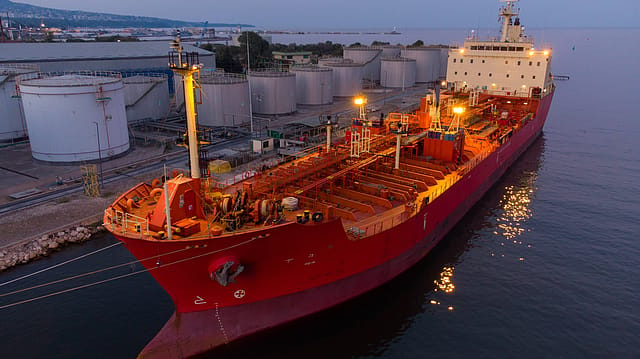
Iran’s decision to keep the Strait of Hormuz open for commercial shipping during the ongoing Israel–Lebanon ceasefire is offering a near-term breather to global energy markets, which had begun pricing in the risk of supply disruptions.
Foreign Minister Seyed Abbas Araghchi said the waterway would remain accessible for the duration of the truce, with vessel movement routed through designated maritime channels.
“The Strait of Hormuz is open for shipping traffic for the duration of the ceasefire,” Araghchi said in a post on X.
The reassurance comes after weeks of heightened tensions that had triggered volatility in oil prices, alongside a spike in freight and insurance costs tied to war-risk premiums.
Relief for oil flows, caution persists
A widely tracked market update underscored the immediate shift in sentiment:
“BREAKING: Iran officially reopens the Strait of Hormuz for ALL commercial vessels for the remaining period of the ceasefire.”
Former US President Donald Trump described the passage as “fully open and ready for full passage,” reinforcing the perception of de-escalation.
For oil markets, the reopening reduces the probability of near-term supply shocks. However, traders remain wary. The ceasefire—currently set for 10 days—does little to resolve underlying geopolitical tensions, leaving risk premiums elevated.
A chokepoint that moves global prices
The Strait of Hormuz carries roughly 20% of global oil shipments, making it one of the most critical energy corridors worldwide. Any disruption typically translates into immediate price spikes, higher shipping costs and supply chain dislocations.
For large importers such as India, stability in Hormuz flows is directly linked to inflation management and currency stability, given the economy’s dependence on imported crude.
It is pertinent to note that while Iran’s move provides short-term visibility, it is explicitly conditional on the ceasefire holding. Any breakdown could quickly tighten supplies and push up costs across the energy value chain.