
Warehouse leasing surges 15% to 19.3 million sq. ft. in Q1 CY 2026; Mumbai leads demand spike: Knight Frank India
ADVERTISEMENT
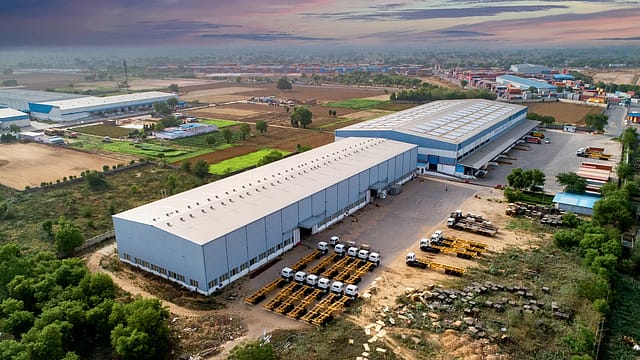
India’s industrial and warehousing sector maintained strong momentum in the January-March quarter of 2026 despite persistent global supply chain disruptions, with leasing activity across eight major cities rising 15% year-on-year to 19.3 million sq. ft,, according to Knight Frank India.
The quarterly absorption marked the second-highest transaction volume recorded since 2023, driven by sustained manufacturing demand, expansion by third-party logistics (3PL) operators and continued occupier confidence in India’s logistics ecosystem.
Mumbai dominates leasing activity
Mumbai emerged as the top-performing market during the quarter, recording a sharp 66% jump in warehousing transactions to 7.4 million square feet (sq. ft.)— the highest among all cities tracked by the property consultancy. Ahmedabad and Kolkata also posted strong growth of 92% and 440%, respectively, albeit on a lower base.
NCR and Bengaluru registered steady growth of 8% and 27%, while Pune and Chennai witnessed moderation in volumes due to supply-side constraints and normalization after strong previous-quarter performances.
“India’s warehousing sector continues to demonstrate structural resilience despite heightened global supply chain disruptions,” said Shishir Baijal, chairman and managing director at Knight Frank India.
He added that manufacturing-led demand and increasing outsourcing of logistics operations by companies are driving sectoral growth, although land availability and regulatory bottlenecks remain key challenges for future supply creation.
Manufacturing, 3PL firms anchor demand
Manufacturing companies remained the largest occupier group during the quarter, accounting for 48% of total leasing activity at 9.3 million sq ft, up 17% year-on-year. The segment includes automotive, engineering and energy companies expanding warehousing footprints amid ongoing diversification of global supply chains.
The 3PL segment accounted for another 33% share of transactions, with leasing volumes surging 64% to 6.4 million sq. ft., led largely by demand in Mumbai and NCR.
Retail leasing activity more than doubled during the quarter, while e-commerce demand declined sharply by 71% year-on-year, indicating a recalibration in online retail warehousing requirements.
Rentals climb as supply tightens
Warehousing rents rose across all major markets due to strong occupier demand and rising land costs. Chennai recorded the highest rental appreciation at 7% year-on-year, while Pune remained the country’s most expensive warehousing market with average rentals at ₹28.5 per sq. ft. per month.
Knight Frank India said total warehousing stock across the top eight cities stood at 568 million sq. ft. at the end of Q1 2026, while vacancy levels remained stable at 11.1%.
Institutional-grade Grade A warehousing assets now account for 46% of total inventory, reflecting growing investor preference for compliant and high-quality logistics infrastructure.