
Varanasi-Kolkata expressway gets clearance, but project’s bigger test is still ahead
ADVERTISEMENT
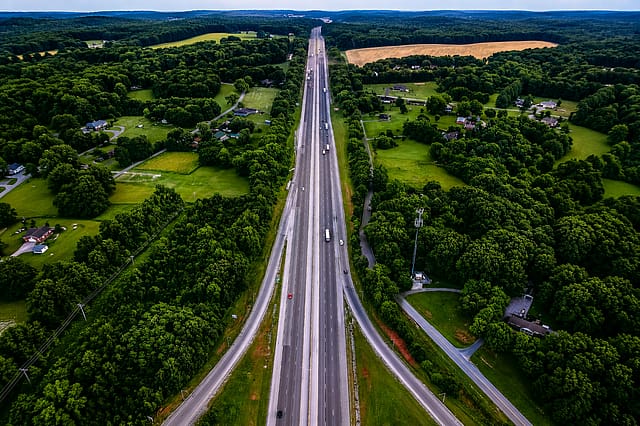
The environment ministry’s expert panel clearing the Varanasi-Kolkata expressway on May 9 has removed a major regulatory hurdle for one of eastern India’s most closely watched highway projects. But the story is no longer just about an approval — it is about how the project has moved, stalled and been reshaped over time, and what that says about the challenges of building a large greenfield corridor through multiple states.
A long-running project
The expressway has been discussed for years as a flagship corridor under the Bharatmala programme, connecting Varanasi in Uttar Pradesh with Kolkata through Bihar, Jharkhand and West Bengal. Early estimates put the project cost at around ₹28,500 crore to ₹35,000 crore, and several reports have described it as a 610-km to 620-km corridor, though the latest environment-related filing cited by PTI refers to a 235-km greenfield stretch in West Bengal that needs forest diversion.
At present, the journey between Varanasi and Kolkata usually takes around 12 to 14 hours by road, depending on traffic, route and road conditions. Once the expressway is completed, that travel time is expected to drop to about 6 to 7 hours, cutting the trip by roughly half. That time saving could make a major difference not only for long-distance travellers but also for cargo vehicles moving between eastern and northern India.
That West Bengal section has been one of the more complicated parts of the plan. The project requires diversion of more than 103 hectares of reserved and protected forest land, along with the cutting of about 50,000 trees in forest and non-forest areas, according to a PTI report. The expert panel also asked for wildlife crossing structures to follow the divisional forest officer’s recommendations, including underpasses eight to 10 metres high and a 300-metre span where required.
Why the clearance matters
This approval matters because environmental clearance is one of the biggest gating items for any greenfield highway. Without it, land acquisition, alignment finalisation and construction in sensitive stretches can remain stuck in limbo. In this case, the West Bengal portion has already seen delays tied to alignment revisions requested by the state government, even as work reportedly progressed in Uttar Pradesh, Bihar and Jharkhand.
The expressway is meant to improve freight movement and cut travel time across eastern India, linking industrial and logistics hubs more efficiently with the country’s eastern metropolis. That is why the project is being watched not just as a road corridor but as an economic one, with implications for trade, tourism and regional integration.
What comes next
The bigger question now is execution. Clearing the environment hurdle does not mean the project will move smoothly from here; forest diversion, wildlife safeguards, land acquisition and inter-state coordination still need to be handled carefully.
The corridor has already become a symbol of how ambitious infrastructure projects can take years to move from announcement to reality. With this latest clearance, the government has taken one more step forward — but the real test will be whether the project can now move from paperwork to physical progress.