
A lifestyle shaped by rhythm, not rush
ADVERTISEMENT
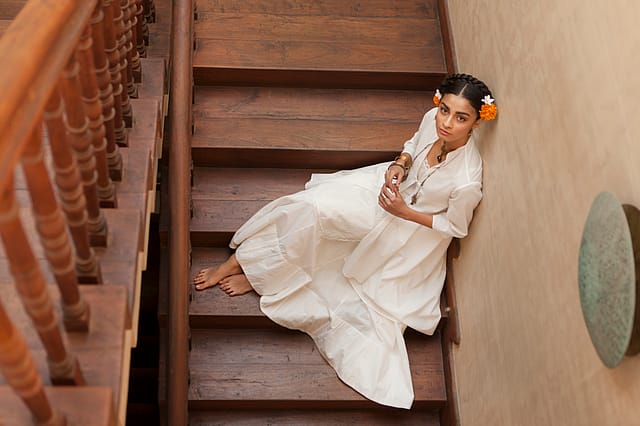
For years, much of India’s design fraternity leaned comfortably on two pillars—heritage and craft. And why not? Some of the country’s most celebrated names built glittering reputations doing exactly that, carrying age-old techniques from Indian ateliers to the most coveted runways of the West. A few even planted their flags at prestigious retail addresses in New York and London, turning tradition into global currency.
But when Simran Lal and Raul Rai came together to launch Nicobar 10 years ago, they charted a different course. No sepia-tinted nostalgia. No ornamental Indianness stitched onto Western silhouettes. No rush towards dizzying expansion. As the brand marks a decade of thoughtful growth, its founding philosophy remains intact: forward-looking, unhurried, and deeply rooted in the present.

“We launched Nicobar because we wanted to build something that felt like modern India actually looks and lives—not a nostalgic version of it, not a western one with Indian motifs applied on top,” says Simran Lal who founded Nicobar along with Raul Rai in 2016. The spark came from journeys across the Indian Ocean—its sun-washed palettes, tactile landscapes, and the languid rhythm of coastal life. That mood became the blueprint.
The ambition was never a vertical take-off, never scale for scale’s sake. It was quieter, more deliberate. A brand shaped by intention rather than velocity. Yet the brand’s revenue touched ₹200 crores in this fiscal year. “We wanted Indians to feel at home in that sensibility, wherever they were in the world. Scale was never the point,” Lal explains. Mindful. Purpose-led. Designed not to impress, but to belong. Because in the end, the real aspiration was simple: to help people feel entirely at ease in their own skin.
At the time of the launch of the brand, most lifestyle brands in India were either leaning heavily into heritage like handlooms, craft revival, the visual language of tradition or going the other way entirely, importing a western aesthetic with little connection to where they were made. “We weren't interested in either. Nicobar was always rooted in India but not costumed by it. The reference point was a feeling: the tropical, unhurried, sensory quality of life along the Indian Ocean rim,” she adds. “That gave us a distinct lens for everything—what we design, how we write, what we put in a store. Ten years in, that lens is still the thing that makes us recognisable.”
And their decision not to follow the conventional way of designing worked well for the brand. No sooner than they launched Nicobar, it caught the attention of discerning buyers and in a short span of time created an image that other brands are still struggling to achieve. Nicobar established itself as a classy and wearable brand. Says Simran, “During the last 10 years of our journey, a few chapters stood out. Nico Radio was an early signal that we weren't thinking like a typical retail brand—a curated music offering that reflected the brand's mood and gave customers a way to live inside the Nicobar world beyond products. The Journal brought long-form storytelling into the brand, profiling people who live with a certain mindfulness and intentionality.” “And more recently, our gifting vertical has grown into something we're genuinely proud of, including a first-of-its-kind gifting-only store in Agra. Each of these felt less like a brand initiative and more like a natural extension of how we already think.”
And NicoEco took the brand's values off the page and into actual land— literal ecological restoration in the Nilgiris. “NicoEco is probably the truest expression of what we actually believe. It began in the Nilgiris, at a piece of land near Coonoor that we deliberately left undeveloped—not to build something, but to restore what was already there,” says Simran. “Working with local partners, we're bringing back native shola ecosystems, removing invasive species, and letting the forest recover on its own timeline. There are no quick wins in ecological restoration, and that's exactly the point. NicoEco runs on patience, not press releases. It reflects a belief we've held from the beginning: that a brand's responsibility doesn't end at the product. If you're drawing inspiration from landscapes and communities, you owe something back to them.”
Then came the launch of other verticals that the market could do with, again in the Nicobar way. Gifting was one of them. “Gifting found us more than we found it. Customers were already turning to Nicobar for the moments that mattered—birthdays, weddings, housewarmings—because the products felt considered without being loud,” says Raul Rai. “We just followed that instinct and built around it. Thirty stores across Tier I and Tier II cities later, including our first gifting-only store in Agra, the vertical has become one of the more meaningful parts of the business. We've added a gifting concierge because we want the experience of giving something from Nicobar to feel as thoughtful as the thing itself.”
As the brand kept its pace into the mind of its customers, the clients started demanding for things that they want in other forms, but, again, keeping the brand’s identity intact. “Evening wear felt like the right next step because our customers were already asking us to move in that direction. They wanted the Nicobar ease and sensibility for occasions that called for something more—not a departure from who we are, just a more dressed-up version of it,” says Raul. “So that's what we built: refined silhouettes, considered fabrication, but rooted in the same comfort and Indian sensibility that's always defined us. It's less about expanding the brand and more about showing up for our customers in more moments of their lives.”
As the brand marks a decade of meaningful growth, the founders look ahead with optimism—though not with any urge to dramatically redraw the blueprint. Their instinct is not to pivot, but to deepen. To refine what already works, and to do it with greater nuance and conviction. “The honest answer is that we’re not looking to reinvent ourselves—we’re looking to go deeper,” says Rai. That depth will take tangible shape: expanding evening wear and gifting, strengthening NicoEco as a long-term commitment, and stepping into new creative terrain—including an upcoming collaboration with Indian fashion designer Rajesh Pratap Singh across menswear and homeware, a partnership the team is genuinely excited about.
Yet beyond specific launches and categories, the larger vision remains unchanged. The road ahead is less about disruption and more about discipline—thinking slowly, crafting thoughtfully, and continuing to build a brand that people trust not just for what it makes, but for what it stands for.