
Beyond the metros: A new culinary map emerges for Indian diners, with some inspiration from abroad
ADVERTISEMENT
Mornings at the regal Taj Nadesar Palace begin not with continental buffets but with the aromas of a traditional Banarasi breakfast. Crisp kachoris arrive with spiced potato sabzi, followed by delicate malaiyyo in winter, creamy dahi-jalebi and freshly churned lassi—dishes long woven into the everyday rhythms of the ghats.
The hotel’s chefs recreate local festive spreads—from satvik temple-inspired meals to rustic eastern Uttar Pradesh thalis—bringing regional food traditions into a luxury hospitality setting. For guests, the experience becomes an edible introduction to the city itself—revealing how food connects to ritual, memory and place.
Beyond the metros, India’s most compelling culinary experiences are unfolding in smaller cities and peripheral destinations. Chefs and boutique hoteliers are crafting dining programs rooted in regional memory, local produce and cultural nuance rather than spectacle. From heritage palaces in Varanasi to forest-edge retreats in Rajasthan and experimental dining spaces in Kochi, these destinations are emerging as South Asia’s new culinary capitals.
Kochi Reimagined: Spice routes to social dining
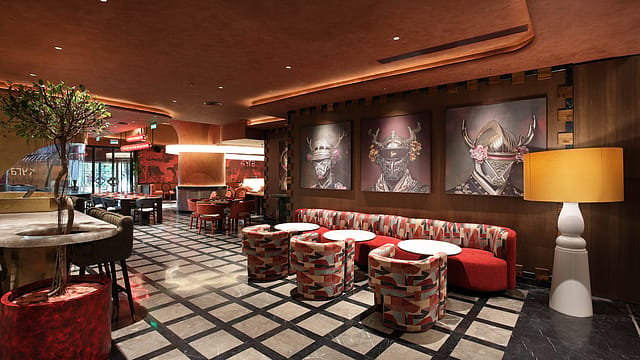
Kochi, long celebrated for its layered food cultures shaped by spice trade routes, is now asserting itself as a serious dining destination through ambitious new formats. The launch of KYRA at Holiday Inn Cochin marks a shift in how the city imagines luxury dining—less about formality, more about immersive, social experience.
“Smaller cities like Kochi are emerging as gastronomic destinations thanks to authenticity, strong food memory and access to fresh ingredients,” elaborates general manager Fino Babu. Led by local chef Subimon Subagan, KYRA leverages homegrown talent to transform global cuisine into a culturally grounded dining experience.
Inspired by Greek and Persian culinary traditions, the eatery draws from ancient cultures that once intersected along Kochi’s historic trade routes. It blends fire-led cuisine, artisanal cocktails, immersive design and nightlife energy into a single experiential destination. “The concept aligns with the city’s globally exposed, culturally layered identity and its readiness for elevated experiential dining,” adds Babu.
While the inspiration is international, execution remains local—regional produce, fresh seafood, Indian spices and techniques aligned with Kochi’s palate. Signature dishes reflect this thoughtful interpretation. Zereshk Polo baMorgh features saffron-infused basmati rice with tangy barberries and saffron-braised chicken, balancing richness with brightness. The live-fire Kyra Signature Adana Kebab delivers smoky depth, while Ash-e-Adas, a lentil and spinach soup, captures the warmth of Persian home cooking. Cocktails like Fire Glow with saffron and herbs, and Kyra Tropical, blending clarified butter–infused bourbon with tropical notes, echo Kochi’s spice-route heritage.
Sariska: Dining rooted in land and legacy

At Treetop by Eight Continents Astroport Sariska, India’s first astronomy-themed resort, tucked away near the Aravalli Range in Alwar, Rajasthan, dining is inseparable from landscape. Overlooking the historical Tehla Fort, the resort has made regional gastronomy central to its identity, anchoring its culinary program in Rajasthani food traditions and agro-tourism. Its Orbit restaurant draws heavily on produce from the property’s organic farm, translating the arid region’s robust cuisine into refined, seasonal menus.
“The aim is to leverage home-grown ingredients and traditional recipes to allow guests to engage with Rajasthan’s food history in an honest and immersive way,” informs Haninder Sachdeva, CEO of Eight Continents Hotels & Resorts. Signature dishes such as laal maas, jungle maas and dal baati churma are crafted using traditional techniques, while inventive interpretations draw on dried berries, beans and native farm herbs.
Private dinners under glittering stars and sunset drinks at the poolside Dharohar Bar fold the natural surroundings into the meal. Stories of royal hunting traditions and desert survival pepper dining sessions, allowing food to function as narrative rather than novelty. “The idea is to bring diners closer to the land and its stories,” says Ghanshyam Singh Jhala, general manager. “What we serve is rooted in the environment—guests don’t just eat Rajasthan here, they experience it.”
Immersive dining in the Aravallis
In the Aravalli region, this philosophy finds expression at Aravali Marriott Resort & Spa, Faridabad, where menus are shaped by surrounding agricultural traditions. Seasonal vegetables, millets, herbs and dairy sourced from nearby farms translate into dishes that retain Haryana’s rustic character while adopting a contemporary lens. Bajra roti, missi roti and slow-cooked curries sit alongside evolving interpretations of village recipes, while curated experiences like Chaupal—an outdoor, high-tea-inspired gathering—bring together regional snacks, jaggery-laced sweets and spiced teas in a setting that echoes rural conviviality. As general manager Anuj Chaudhry notes, the experience offers urban travelers “a rare taste of Haryana’s agrarian food culture presented with the polish of luxury hospitality.”
Extending this ethos is a growing focus on immersive, farm-to-table experiences that deepen the guest’s connection to the region. Interactive elements such as live cooking stations, guided ingredient walks and seasonal tasting menus allow diners to engage more closely with Haryana’s culinary traditions, while subtle refinements in technique and presentation elevate these humble, time-honoured dishes. The result is a dining experience that feels both authentic and contemporary—where the simplicity of the land is thoughtfully translated into a nuanced, luxury setting.
Island inspirations: The Maldives effect on Indian palates
As this shift gathers momentum, top Indian chefs opine that desi chefs are also drawing inspiration from other neighbouring countries. For instance, next-door Maldives, which has increasingly become a haunt for HNI foodie travelers, notes Chef Garima Arora who helms the two Michelin star Gaa in Bangkok.
“This evolution also reflects a broader shift in how Indian cuisine is positioning itself globally,” elaborates Arora as she prepares to open her highly anticipated Indian restaurant Yaari at Waldorf Astoria Kuala Lumpur. “It’s no longer about fitting into preconceived notions, but about expressing a more personal, nuanced narrative of India’s culinary identity.”
Isle be there
At The St. Regis Maldives Vommuli Resort, menus are shaped around pristine seafood, refined global influences and immersive dining formats—from overwater restaurants to curated tasting experiences that highlight both ingredient purity and craftsmanship. Private sandbank dinners, bespoke chef interactions and ever-evolving tasting menus further elevate the sense of exclusivity, turning each meal into a highly personalized experience.
Complementing this is a strong emphasis on seasonality and provenance, with chefs working closely with regional suppliers to source the freshest catch and finest produce, ensuring each dish reflects both its origin and the resort’s elevated culinary ethos. The gastronomic journey is further enhanced by thoughtful wine pairings, inventive mixology and a keen attention to detail in presentation, creating a seamless interplay of flavor, setting and storytelling that defines the resort’s distinctive dining identity.
JW Marriott Maldives Resort & Spa, which has lately seen a surge in footfalls from Indian travellers, expands this approach through a diverse culinary portfolio, where Japanese, international and island-inspired cuisines coexist. Fresh catch, homegrown herbs and interactive dining formats—from chef-led tastings to experiential meals—create a balance between sophistication and accessibility, ensuring that even global dishes retain a sense of their island setting. The resort also places growing emphasis on sustainability, with menus adapting to seasonal marine availability and reduced-waste practices, reflecting a broader shift toward conscious luxury.
Elevating this further is a focus on narrative-driven dining, where each restaurant offers a distinct sense of place—whether through teppanyaki theatrics, laid-back beach grills or refined degustation menus that spotlight technique and terroir. The beverage programme mirrors this diversity, with sommeliers and mixologists crafting pairings that range from rare vintages to tropical, ingredient-led cocktails, ensuring a cohesive yet dynamic culinary journey.
Kathmandu calling: Indigenous cuisine finds new relevance
Surprisingly tiny Nepal, where boutique hotels are foregrounding indigenous cuisines as both cultural preservation and contemporary hospitality, has also inspired Indian chefs. “Kathmandu, long revered for its Newari food traditions, is increasingly being read as a serious gastronomic destination offering Indian guests Mithila meals rooted in ritual, geography and history,” elaborates Chef Anish Bharadwaj who spent a month in the city to learn about Nepali food. He now hosts popups based on this knowledge in Delhi.
Several local hotels underscore Bharadwaj’s research. At Ramada Encore by Wyndham Kathmandu, indigenous cuisine is integrated into everyday dining. Local dishes feature on the restaurant’s menu, complemented by the hotel’s annual month-long Raithane Meal promotion—that revives indigenous dishes disappearing from urban tables. Recent Newari and Maithili food festivals drew both Nepali and Indian diners seeking a deeper understanding of Nepal’s culinary evolution.
“At our hotel, food is a powerful way of telling local stories and keeping culinary traditions alive,” says general manager Mahesh Phuyal. “By bringing indigenous dishes into our , menus rather than limiting them to festivals, we’re ensuring they remain relevant to modern diners while still honoring their authenticity.” This philosophy extends beyond the plate, with the hotel actively collaborating with regional home cooks and culinary experts to revive lost recipes.
As India’s culinary map expands, it is the country’s smaller cities, immersive resorts and cross-cultural kitchensacross the border that are setting the tone for what comes next—anchoring dining in memory, landscape and identity, while quietly reshaping the future of gastronomy.