
Outlook 2026: India’s luxury moment; opportunity knocks, execution must follow
ADVERTISEMENT
Despite the global luxury world facing geo-political and economic headwinds in 2025, while the global market somewhat stood somewhat resilient to the uncertainties, India continued its journey where brands and luxury conglomerates focused with renewed interest in the market.
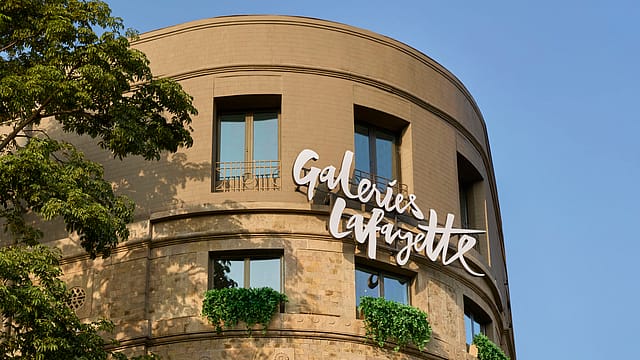
While brands such as Golden Goose, Rimowa, Eleventy, Maje, Messika, to mention a few, entered the Indian market in Delhi and Mumbai, and the Reliance Brands Ltd (RBL) signing up with more high end brands such as Stella McCartney and Max Mara, the most significant development in India’s luxury retail history came when the Aditya Birla Fashion Retail Ltd (ABFRL) threw open the doors of the iconic French luxury department store Galeries Lafayette Mumbai store recently. The store houses over 250 luxury brands and the launch of the same marked a significant development in India’s growing acceptance as a luxury retail destination with the Indian business houses fervently looking to sign up with more such brands in the coming months.
Yet another luxury development happened in the real estate sector when DLF announced the launch of its uber luxury residential condominium DLF Dahlias and rest of the players announced the launches of global luxury branded residences such as Ellie Saab Residences and Jacob Residences and the development of two more Trump Towers in Delhi and Gurgaon by the M3M Group. BI Luxury along with The Oberoi Group launched The Trident Residences in Delhi and more branded residences are expected to be launched in India in the coming months.
Demand for luxury watches and automobiles are also on the rise. Cars such as Rolls Royce Silver Ghost II Series, Lamborghini Revuelto, G Wagon G63 Collector’s Edition, among others, have hit the Indian roads in the last few months. Industry leaders say that the demand for top-end variants of luxury cars have been on the rise compared to other variants from the same makes. In addition to the rise in luxury spending on higher end models, connoisseurs of luxury have also spent a considerable sum on various customisations in order to make their valued-four wheels extra special and unique.
When it comes to luxury retail, after sales servicing in India could do with some improvement. Some fashion, accessories, fragrance brands still refuse to replace when a product doesn’t function as they should. Over-crowding the customers, who perhaps just want to browse the product on display, lackadaisical attitude when it comes to hearing customers’ problems, etc in the luxury retail sector unfortunately can be seen with some brands even today. When it comes to back-end employees, such as marketing communications, PR, etc, while some brands have super smart managers, some others, surprisingly coveted luxury brands, have inept managers who are extremely poor in their respective areas of work as compared to their counterparts elsewhere in the world. That department also could do with some changes.
Looking ahead, when it comes to the retail side, for flagship stores for luxury brands wanting to enter the Indian market, there is hardly any option to set up shops. Some of the existing malls in Delhi and Mumbai have plans of expanding, but until such a time they are ready (not before the next three-five years), brands have no chance to further expand or enter the market. Launch of Galeries Lafayette in Mumbai comes at a time like this as a blessing for hundreds of brands to be under one roof where luxury customers could shop. If everything goes right, the coming months will also see the launch of Saks Fifth Avenue in Mumbai providing brands and consumers the same facilities of multiple brands options under single roof.
Launch of such luxury department stores, while providing the customers with a much wider variety to choose from under one roof with several new brands, will also provide them to test the market without having to open their flagship stores that invite heavier investments. This way, while retail area expansions are taking place in Delhi and Mumbai and elsewhere in the country, these brands will be able to make their decisions as to when they would want to open their stores after testing the pulse of the market by being in these luxury department stores.
Globally, “The State of Fashion – When The Rules Change,” by Business of Fashion and McKinsey report conclusion says, “In the end, 2026 will likely be another year of dislocation for fashion companies. On one hand, the market is expected to see low growth, trade reconfigurations, and tech disruption. On the other, there are category-specific green shoots; rapidly evolving tools that will redefine how goods are created, discovered, and sold; and an injection of new creative energy that could revitalise the market. The rules governing the fashion system may now be in flux -- which means there are opportunities for companies to rewrite them altogether.
And for India, having increasing numbers of millionaires and billionaires aren’t enough to invite more luxury business to the country. Along with the power to purchase, what we also need is a well-trained in-store and back end staff who are true professionals, and also the availability of retail spaces for the luxury brands to arrive and set up shops. This could’ve seen as something that is part of any emerging markets, but with India now being seen as a potential big market for luxury retail, hopefully the missing performances will be rectified in the coming months either by the brand or their partners in India.