
Nifty FMCG slips 5% in Jan on ITC tax shock; can Q3 earnings drive recovery?
ADVERTISEMENT
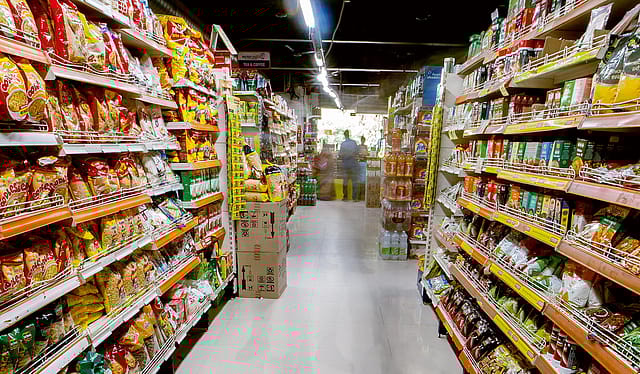
Nifty FMCG index has fallen nearly 5% in January, weighed down by a sharp sell-off in index heavyweight ITC , whose shares slumped over 12% year-to-date (YTD) after the government announced a hike in cigarette taxes. The government has proposed a substantial increase in excise duties on cigarettes, set to take effect from February 1, 2026.
The regulatory move dampened sentiment across tobacco and allied FMCG stocks, raising concerns over near-term earnings visibility. Given ITC’s heavy weightage in the index, at around 32%, the decline in the stock single-handedly dragged the broader FMCG index lower. The sell-off was broad-based across tobacco stocks, with Godfrey Phillips India , VST Industries , Golden Tobacco, and Indian Wood Products slipping up to 8%.
Liquor stocks also came under pressure, with shares of United Spirits , United Breweries , and Radico Khaitan tumbling 6-12% on a year-to-date (YTD) basis, as investor sentiment turned cautious amid regulatory uncertainty and broader market volatility.
In contrast, other FMCG heavyweights such as Hindustan Unilever (HUL) , Nestlé India , Tata Consumer Products , and Dabur India have shown relatively better resilience, supported by expectations of gradual demand recovery and stable input cost trends.
Can Q3 earnings revive the index after the ITC-led fall?
Domestic brokerage firm Elara Capital expects steady improvement in FMCG demand in Q3 FY26, supported by the normalisation of GST transition-related disruptions and favourable winter conditions, particularly in North India. The brokerage said easing input costs during the quarter are likely to drive a sequential improvement in gross margins.
The brokerage expects revenue growth of around 8% YoY in Q3 FY26, marking a sequential improvement over 6% YoY growth in H1 FY26, which was impacted by seasonal weakness in Q1 and GST transition challenges in Q2. Management commentary across companies indicates gradual demand recovery, aided by GST rate reductions and stabilising distribution dynamics.
Elara said in its report that GST-related transient disruptions, including inventory destocking and packaging material unavailability, were largely resolved post-October, helping demand stabilise during the quarter. While companies such as Hindustan Unilever and Dabur India may still see some transitional impact in Q3, a favourable winter season is expected to benefit FMCG players with strong exposure to seasonal categories, including Emami, it said.
Biscuit makers Britannia Industries and Mrs Bector’s Food Specialties implemented MRP increases along with grammage additions, a move that supported revenue growth without materially impacting demand. Elara added that November and December showed better performance than October, indicating improving consumption trends as the quarter progressed.
As per the report, volume growth is poised to improve meaningfully in the December quarter of FY26, with Titan and ITC likely to deliver 8% YoY revenue growth and 5.7% volume growth, compared with 2% volume growth in Q2 FY26.
Stocks such as Marico, Tata Consumer Products, Nestlé India, and Emami are expected to post double-digit revenue growth, driven by high single-digit volume growth in core categories. Colgate-Palmolive’s revenue growth may remain subdued due to heightened competitive intensity in oral care, it said.
ITC’s revenue growth is estimated at around 7% YoY, driven by 5% cigarette volume growth; however, analysts caution that the recent cigarette tax increase announced by the government will remain an overhang on the stock.
The brokerage expects benign input costs for key commodities in Q3 FY26 to result in a quarter-on-quarter improvement in gross margins. This, combined with operating leverage from improving volumes, is likely to support profitability across the sector.
(DISCLAIMER: The views and opinions expressed by investment experts on fortuneindia.com are either their own or of their organisations, but not necessarily that of fortuneindia.com and its editorial team. Readers are advised to consult certified experts before taking investment decisions.)