
Branded residences beyond the metros: A structural evolution of India’s residential market
ADVERTISEMENT
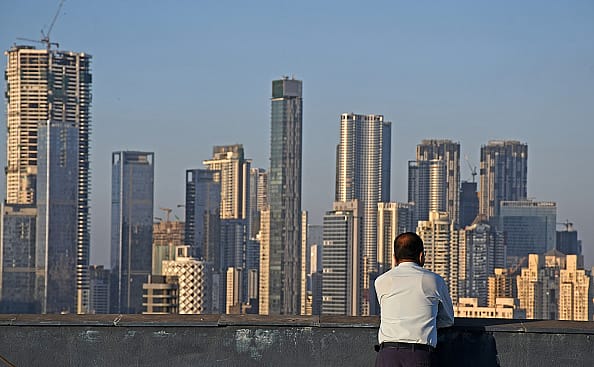
For over a decade, branded residences in India were largely synonymous with a handful of metropolitan markets. Mumbai, Delhi-NCR, Pune, and Bengaluru formed the nucleus of this asset class. Beyond these locations, luxury housing in most cities followed a familiar template, which is premium apartments and villas differentiated primarily by size, finishes, and address.
That paradigm is steadily changing.
Across cities such as Chandigarh, Jaipur, Ludhiana, Lucknow, Ahmedabad, Surat, Indore, Coimbatore, Visakhapatnam, Bhubaneswar, and Raipur, there is a visible rise in structured developer interest toward branded residential formats. This shift is not incidental. It reflects bigger structural changes in wealth distribution, buyer expectations, and the professionalisation of urban living standards in India.
Over the past two decades, wealth creation in India has expanded well beyond the major metros. Manufacturing hubs, export-led businesses, infrastructure corridors, logistics networks, and technology services have generated meaningful capital in secondary and emerging primary cities.
In many of these markets, family-owned enterprises have evolved into professionally managed organisations. Successive generations have studied abroad or been exposed to international lifestyles. Disposable incomes and investible surpluses have increased substantially.
While traditional premium housing addressed aspirations through larger homes and improved specifications, it often did not address a more nuanced requirement of professionally managed and service-driven residential environments.
This is where branded residences are finding relevance.
In these cities, the appeal of branded residences lies less in ornamentation and more in organisation. Affluent homeowners increasingly value structured 24/7 security systems, professional facility management, on-call housekeeping, concierge services, technology-enabled access, and predictable service standards.
The attraction is not merely luxury; it is operational reliability.
The model borrows from hospitality best practices and adapts them to long-term residential living. For many high-net-worth families, particularly business owners managing complex enterprises, the assurance of professionally administered residential services carries tangible value. The home becomes an extension of structured thinking: efficient, secure, and seamlessly managed.
Importantly, the branded residences ecosystem today includes global hotel brands, fashion houses, design-led luxury firms, and even automobile marques are increasingly open to exploring opportunities in these markets, subject to the developer’s credibility, execution capability, and long-term commitment to quality. Brand participation is no longer confined to metro cities; it is expanding alongside India’s decentralising wealth.
However, the selection of the right brand is critical. A brand must be aligned with the target buyer profile, pricing strategy, and the lifestyle expectations of the intended community. A detailed demand assessment and psychographic mapping of the buyer base should precede brand selection. The success of a branded residence is determined not by the logo, but by the strategic fit between brand philosophy and resident aspirations.
Brands today play a far deeper role than marketing endorsement. They actively participate in product conceptualisation, layout planning, amenity programming, and service design. Equally important, they bring structured operational frameworks post-handover, ensuring that maintenance standards, lifestyle services, security systems, and community management operate at globally benchmarked levels.
This operational continuity is what ultimately defines the real value of branded residences. From efficient maintenance and asset preservation to curated lifestyle experiences and long-term asset appreciation, the brand’s involvement strengthens both liveability and investment performance.
It is often assumed that secondary markets may not sustain branded residential inventory due to a smaller buyer base. However, wealth concentration in many of these cities is significant, even if numerically limited. A well-designed project, typically in the range of 100 to 200 units, can unlock substantial revenue potential when aligned with genuine demand.
Land acquisition costs remain comparatively rational. Ultra-luxury pricing benchmarks are still evolving, offering early-mover advantage. Premiums of 20-35 percent over non-branded equivalents are achievable where service delivery is credible and well-structured.
Each city presents its own economic context. Industrial centres such as Chandigarh, Ludhiana, and Indore benefit from concentrated entrepreneurial wealth. Export-driven markets like Surat and Coimbatore exhibit global exposure among second-generation business leaders. Administrative capitals such as Lucknow and Bhubaneswar demonstrate rising demand for secure, organised residential communities. Port and infrastructure-led economies such as Visakhapatnam and Raipur are witnessing an increasing inflow of senior management and professional talent.
These dynamics create defined pockets of demand where branded residences can be positioned as the most structured and differentiated offering within the premium segment.
However, branded residences require disciplined structuring. Success depends on accurate demand assessment, appropriate unit sizing, controlled supply depth, sustainable service-cost modelling, and alignment between brand positioning and local buyer psychographics.
For developers, branded residences provide a clear differentiation strategy in increasingly competitive premium markets. They enable pricing premiums backed by structured value and align local projects with global standards.
For buyers, they offer structured comfort, security, and continuity of service.
The expansion of branded residences beyond India’s primary metros is not speculative. It reflects maturing regional wealth, evolving expectations, and the steady professionalisation of residential living standards.
While the segment will remain niche within each city, the size of that niche is meaningful. Over the coming decade, this asset class may represent one of the most significant structural shifts in the country’s luxury housing market.
(The author is MD & CEO, NOESIS Hotel Advisors. Views are personal.)