
Why you don’t need to buy gold to profit from it
ADVERTISEMENT
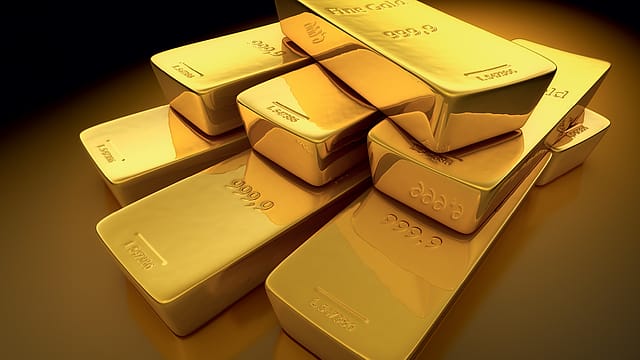
You don’t have to store a gold bar in your cupboard or a barrel of crude oil in your garage to benefit from price moves in commodities. That’s the power of commodity futures. They let you take a view on prices (up or down) and profit from the movement, without touching the physical commodity.
What are commodity futures?
A futures contract is simply an agreement to buy or sell a commodity at a fixed price on a future date. Think of it like booking a movie ticket in advance. You lock the seat (the price) today for a show (the delivery date) later. If your plans change, you can sell the ticket to someone else before the show begins. In trading terms, you square off your position before the contract expires. Most retail traders do exactly this—they enter and exit before expiry, so they don’t have to keep physical commodities.
Why are futures popular with traders?
First, there’s no storage headache. You don’t need a vault for gold or a warehouse for copper; everything is handled on the exchange electronically.
Second, you have a two-way opportunity. If you think gold will rise, you buy (go long). If you believe crude oil might fall after an OPEC announcement, you sell (go short).
Third, futures are margin-based. You put down a fraction of the contract value as a security deposit (margin), which means you can control a larger position with smaller capital. This is called leverage, great when the market moves in your favour, but equally ruthless when it doesn’t.
Imagine it’s the start of the wedding season, and you expect gold prices to rise because jewellers will stock up. You buy one gold futures contract today. Over the next few sessions, gold climbs by ₹300 per 10 grams. Before the contract expires, you close the trade (sell if you had bought). The difference between your buy and sell price becomes your profit—without ever touching physical gold.
Now flip the situation. Suppose you think crude oil might drop after a surprise increase in U.S. inventories. You short a Crude Oil Futures contract. If prices slip as expected, you buy it back cheaper and keep the difference. In both cases, you’re trading price movement, not the metal or the oil itself.
What should a trader watch out for?
Because futures are leveraged, small price moves can create big changes in profit or loss. That’s why a stop-loss is essential (an exit price that limits damage if you’re wrong). Also, margins can change when volatility picks up. If the exchange raises margin and you don’t have extra funds, your broker’s risk system might square off your position to protect both sides. Keep a buffer in your account to avoid unpleasant surprises. And remember expiry dates: if you want to keep your view for longer, you need to roll over the position—close the near-month contract and open the next one—before it expires.
Here’s a quick illustration. Say you have ₹1 lakh. Instead of risking ₹20,000 on a single Gold Futures trade, a disciplined approach is to risk just 1–2% (₹1,000–₹2,000). That way, even a string of bad trades won’t knock you out. Futures trading is less about hitting home runs and more about staying in the game long enough for your edge to play out.
Commodity futures let you participate in some of the world’s biggest markets—gold, crude oil, silver, and copper—with relatively small capital and no storage hassles. You can benefit when prices rise or fall, provided you use clear rules, tight risk control, and respect for leverage. Trade the movement, manage the risk, and let the market do the heavy lifting.
(The author is head of commodities retail business, Kotak Securities. Views are personal.)