
Buying a home? Which compromise makes the most sense—budget, size or location?
ADVERTISEMENT
The idea of a “perfect home” has always been a balancing act. But today, that balance has become sharper and more intentional, especially for younger buyers navigating high interest rates, rising property prices, and evolving lifestyle needs. The question is no longer what is ideal, but what is worth compromising on.
Across the market, one trend is clear: both millennials and Gen Z are entering homeownership earlier than previous generations, but with very different priorities. While millennials are driven by stability and long-term value, Gen Z is redefining flexibility, convenience, and how space is used. This divergence makes the classic triad—budget, size, and location more relevant than ever.
The real trade-off
For many buyers, the biggest compromise lies between size and location. Larger homes are more affordable in suburban or peripheral areas, offering better value per square foot. These properties appeal strongly to millennials with families or who prefer hybrid work and long-term living.
On the other hand, Gen Z, who are not yet settled with families and other obligations, are often more keen on a convenient lifestyle that includes less commute time. For this generation living near work hubs, social infrastructure, and lifestyle conveniences, social infrastructure and lifestyle conveniences often outweigh the need for extra square footage. This is why compact homes in central locations, though smaller, continue to see strong demand.
Budget decisions today go beyond what buyers can afford; they reflect how they choose to allocate value. A growing number of buyers in the 32-45 age group are prioritising smarter financial entry points rather than stretching for larger, ready-to-move homes. Co-buying models, whether with family members or partners, that take a property jointly are emerging as practical ways to manage affordability without compromising entirely on location or quality.
The rise of ‘right-sized’ living
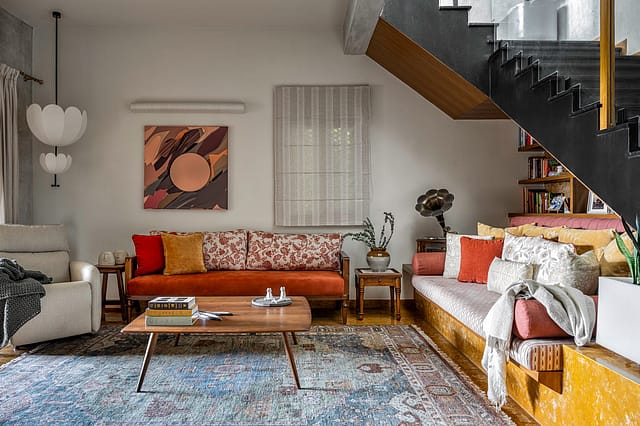
The definition of an ideal home is evolving. Bigger is no longer always better. Instead, buyers are focussing on “right-sized” home spaces that are efficient, well-designed, and aligned with their actual needs. For Gen Z, this often means compact apartments with world-class amenities, smart features, and digital integration. For millennials, it could mean opting for slightly older or peripheral properties that offer more space at a reasonable cost. In both cases, the emphasis is on functionality over excess.
Amid all these trade-offs, one factor remains largely non-negotiable: trust. Buyers today are far more cautious about where they invest. Choosing a credible developer can significantly reduce risk, ensure better build quality, and improve long-term resale value. This shift reflects a more mature, informed buyer mindset - one that values security and transparency alongside price and location.
So, what’s the smartest compromise?
There isn’t a one-size-fits-all answer. The right compromise depends on where you are in life and what you value most.
If you’re in the stage of life where long-term stability and family priorities matter more, compromising slightly on location to gain space can be a strategic move.
If flexibility and lifestyle are priorities, choosing a smaller home in a well-connected urban area may make more sense.
You need to choose your constraints and priorities. The homebuying journey today is less about compromise as a limitation and more about compromise as a strategy. Buyers are becoming aspirational and deliberate, prioritising what truly matters and letting go of what doesn’t. In a market full of choices, the smartest decision isn’t about getting everything; it’s about getting the right things.
(The author is co-founder and CEO, NoBroker. Views are personal.)