
Why it is important to strengthen digital power infrastructure
ADVERTISEMENT
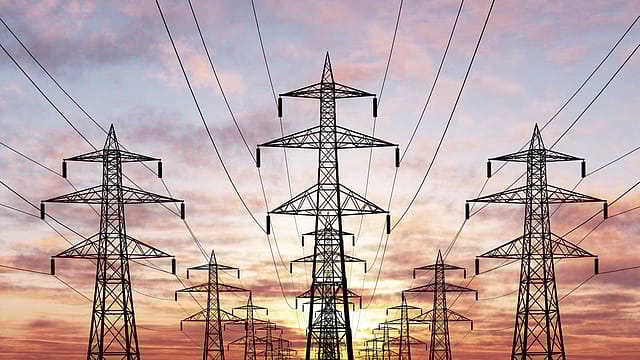
Global geopolitical tensions have once again exposed the fragility of traditional energy systems. Conflicts in the Middle East, particularly involving Iran, have historically had ripple effects across global energy markets—from supply disruptions to price volatility and logistical bottlenecks across critical shipping routes.
But in moments of fuel disruption, electricity becomes the most relied and most constrained form of energy. In such moments, the ability to use available electricity with maximum intelligence and minimum waste defines energy security itself.
For energy import dependent economies such as India, such moments offer a strategic reminder: energy security debates can no longer be centred around ensuring adequate reserves and diversified supply routes of oil and gas. While that remains pertinent, the nature of modern energy systems now demands a broader and more operational perspective.
Today, energy security rests on two interconnected layers: one, supply security; and two, system intelligence. The first relates to ensuring reliable access to fuels and generation capacity. The second relates to the intelligence of the power system to monitor, manage, and optimise electricity flows in real time. Simply put, supply security determines how much energy we can access, while system intelligence determines how well we can use it especially when the system is under stress.
Across the world, vulnerabilities in power systems are becoming increasingly visible. Transmission and distribution losses remain a persistent challenge in many emerging economies. Even in advanced power markets, recent grid disruptions have demonstrated how fragile electricity networks can be when demand spikes or system visibility is limited. As energy systems become more digital and interconnected, energy security must also account for emerging risks such as extreme weather volatility, cyber threats, and supply-chain disruptions to critical grid technologies.
For India, the challenge is particularly significant. Electricity demand is expected to grow exponentially over the coming decade as industrial activity expands, urbanisation accelerates, and electrification deepens across transport, cooling, and digital infrastructure. Peak power demand is projected to reach nearly 366 GW (according to national demand projections) by the early 2030s. Meeting this demand sustainably will require not only adding generation capacity but also building intelligence into the grid itself. Thus, digital power infrastructure becomes central, not peripheral, to the energy security conversation.
Modern power grids are no longer just physical systems of wires, transformers, and substations. Increasingly, they are becoming data-driven platforms that continuously monitor energy flows, detect inefficiencies, and enable faster operational decisions. Digitalisation allows utilities to move from reactive grid management to predictive grid management. Real-time visibility into consumption patterns enables utilities to detect technical losses and respond more effectively to fluctuations in demand. It also enables the grid to absorb more renewable energy, storage, and distributed resources because flexibility and visibility are the true enablers of a cleaner grid at scale.
At the centre of this intelligence layer lies Advanced Metering Infrastructure (AMI)—the foundation of modern smart grids. Think of AMI as the communication backbone of a smart grid. Unlike conventional meters, smart meters communicate consumption data at frequent intervals to utility control systems. When deployed at scale, they effectively transform millions of endpoints across the grid into data sensors, enabling utilities to understand how electricity is consumed across neighbourhoods, cities, and entire states. In an energy-stressed scenario, this is not nice-to-have data; it is operational command-and-control for the distribution edge of the grid.
This intelligence is particularly powerful when applied to demand-side management, an area that has historically received far less attention than power generation. For decades, energy systems have focussed on adding generation capacity, overlooking demand management. But demand-side intelligence offers another pathway: optimising consumption rather than endlessly expanding supply. By improving load forecasting, enabling time-of-day pricing, and managing peak demand more effectively, utilities can reduce stress on the grid while improving overall system efficiency.
India’s ongoing power sector reforms recognise this shift. Under progressive initiatives such as the Revamped Distribution Sector Scheme (RDSS), large-scale smart meter deployment is being undertaken to strengthen transparency, improve billing efficiency and enhance financial sustainability of distribution utilities. These interventions are not merely operational upgrades. They represent a structural shift toward building a more intelligent and resilient electricity ecosystem. In other words, smart metering moves from reform to resilience infrastructure.
Ultimately, the future of energy security will not be determined only by a nation’s fuel supply but will be defined by how intelligently its electricity systems operate. For a rapidly growing economy like India, strengthening digital power infrastructure may well prove to be one of the most strategic investments in building a secure, resilient, and future-ready energy system.
(The author is MD & CEO, Genus Power Infrastructures. Views are personal.)