
RBI likely to keep interest rates unchanged even as inflationary pressures increase
ADVERTISEMENT
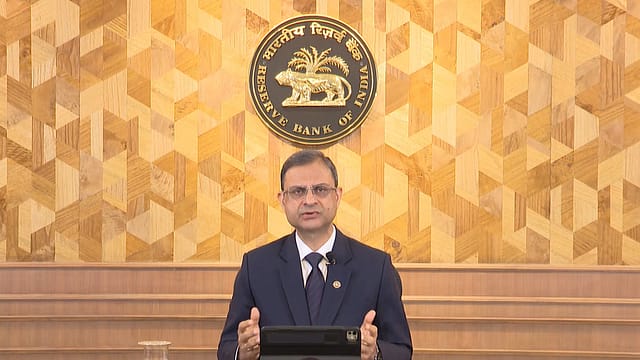
Even as inflationary pressures continue to rise due to higher crude oil prices, the Reserve Bank of India (RBI) is unlikely to hike interest rates at its upcoming monetary policy announcement, set for June 5. The impact of the fiscal measures – in the form of four fuel price hikes in May – will reflect in June’s inflation data, where retail inflation could draw close to 4.5%, economists said.
The central bank has a mandate for the medium-term inflation target of 4% (with a tolerance band of 2% on either side). “The RBI is unlikely to hike rates until they see inflation moving up sharply. They would likely prefer to wait till the second half of the 2026, to decide rate decision,” says Madan Sabnavis, chief economist at Bank of Baroda.
The pressure on India’s import bill continues to increase due to scarce crude oil supplies, which have pushed the price of India’s basket of crude oil up to $107 per barrel on May 27. The demand for dollars has also intensified as foreign funds continue to sell Indian equities worth a net Rs 2.75 lakh crore as of May 26.
All of this has continued to depreciate the rupee against the dollar. It remains the worst performing currency to the dollar in Asia, having fallen 12% since FY25 and around 6.5% in CY2026. It hit a record low of 96.96 to the dollar on May 20 and one-year outright forward rates for the rupee had already breached the $100 level intraday the same day.
In Delhi, the four fuel price hikes in May have seen diesel prices rise to 95.2 per litre on May 26 from 87.7 on May 14, 2026, according to CMIE data. Oil marketing companies are likely to continue to hike diesel prices to recover huge financial losses. Rising diesel prices will then hurt food, transport services, logistics and manufacturing sectors.
Dipti Deshpande, principal economist at ratings agency Crisil also does not expect an RBI rate hike. “The RBI is likely to see through the supply side impressions on the CPI inflation. But the central bank will be watchful of the spillover effects relation to inflation,” she told Fortune India.
Crisil has forecast FY27 inflation at 5.1% but she said the central bank will be vigilant as inflation creeps to the upper tolerance band. “We are not sure of the duration of this external shock. If the central bank were to react with an interest rate hike, that would not be the best thing to do,” she said.
Hitesh Suvarna, macro economist at JM Institutional Securities said the “trajectory of inflation will be upward looking. It could lead to producers and services sectors passing on their costs to consumers,” he told Fortune India.
Suvarna pointed to the HSBC India Manufacturing Purchasing Managers’ Index which rose from 53.9 in March to 54.7 in April. He pointed to the fact that companies continued to indicate that the West Asia war exerted upward pressure on inflation. Input costs and output charges rose at the quickest rates in 44 and six months respectively.
There were higher prices for aluminium, chemicals, electrical components, fuel, leather, petroleum products and rubber further in April, the data showed.