
RBI’s NBFC rule tweaks may double upper layer coverage to 70%: CareEdge
ADVERTISEMENT
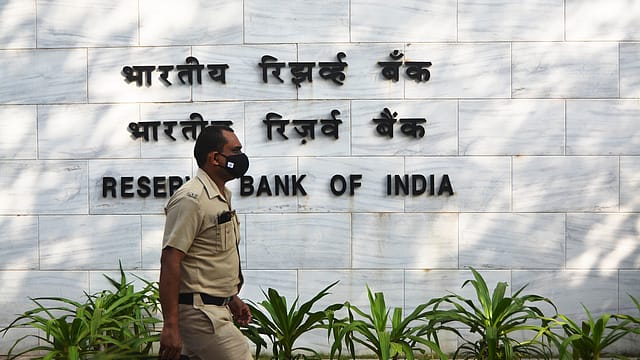
The Reserve Bank of India (RBI) has proposed draft changes to its scale-based regulation (SBR) framework for non-banking financial companies (NBFCs), aiming to simplify regulation and improving transparency. Under the revised approach, any NBFC with total assets of ₹1 lakh crore or more would be placed in the upper layer, regardless of ownership structure.
According to CareEdge Ratings, if the draft amendments are implemented in their current form, the share of NBFC assets classified under the upper layer could expand sharply to around 70% of the sector’s total assets as of September 2025, compared with nearly 30% under the existing norms. This would significantly widen the regulatory net over systemically important NBFCs.
“This will also bring in government-owned NBFCs into the upper layer, which were earlier excluded from this framework,” CareEdge said in a report.
Shift from scoring model to asset-based classification
The SBR framework, introduced in October 2022, categorises NBFCs into four layers - base, middle, upper, and top - based on size, interconnectedness, and complexity. While the top layer remains largely unpopulated, the upper layer houses large NBFCs subject to tighter regulatory scrutiny. The earlier methodology relied on a scoring model, along with automatic inclusion of the top ten NBFCs by asset size.
The proposed changes aim to streamline this process by anchoring classification more clearly to asset size, while also ensuring that government-owned entities are treated on par with private players. The RBI has indicated that the asset threshold will be reviewed every five years, alongside periodic reassessment of the classification criteria.
“The proposed changes are also expected to materially expand the asset coverage under the upper layer, thereby strengthening systemic oversight and enhancing regulatory clarity for market participants. Under the draft framework, NBFCs are estimated to account for approximately 70% of the total NBFC sector assets as of September 2025, more than double the asset coverage under the extant regulatory framework,” said Sanjay Agarwal, Senior Director, CareEdge.
Entities moving from the middle layer to the upper layer will face stricter norms, including a minimum common equity Tier I (CET-I) ratio of 9%, mandatory listing within three years, tighter disclosure requirements, and enhanced risk management standards. They will also be subject to the Large Exposure Framework, which imposes stricter limits on single and group exposures. However, many of the likely entrants are already listed and maintain relatively strong balance sheets, limiting the incremental impact.
Limited impact for govt-backed exposures
Importantly, the draft retains favourable treatment for exposures backed by state government guarantees, which will continue to attract a lower risk weight of 20%, with such exposures allowed to be shifted to the state government without caps. Given that government-owned NBFCs typically carry such exposures, the operational impact is expected to be limited.
CareEdge notes that the move is a step toward greater regulatory clarity and stronger systemic oversight. However, certain aspects remain ambiguous, including whether off-balance-sheet exposures and securitised assets will be considered in determining the asset threshold, and whether the calculation will be based on standalone or consolidated financials. These nuances could influence how NBFCs manage their balance sheets, including through loan sell-downs or securitisation.
“From a preparedness standpoint, the majority of NBFCs likely to fall under the revised Upper Layer framework are already compliant with minimum capitalisation requirements, and most are listed entities. Nevertheless, the revised framework will entail enhanced governance and disclosure standards, including stricter caps on group-level and single-counterparty exposures, as well as stronger risk management and compliance requirements,” said Aditya Acharekar, Associate Director, CareEdge.
However, a carve-out has been made for sector-specific Government NBFCs to approach the RBI for exemption from asset exposure norms.
While these measures may lead to incremental compliance costs, they are expected to strengthen balance sheet resilience, improve transparency, and enhance overall financial stability within the NBFC sector over the medium term, he added.