
Gold prices may see further near-term correction amid global cues: Experts
ADVERTISEMENT
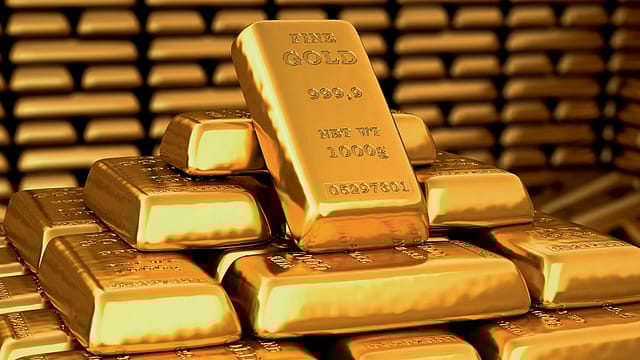
Gold and silver prices slipped in the domestic futures market on Thursday as investors booked profits amid a rebound in the U.S. dollar and bond yields, though market participants said the broader outlook for precious metals remains constructive.
On the Multi Commodity Exchange (MCX), gold February futures were trading 0.25% lower at ₹1,37,663 per 10 grams while silver March futures declined 0.33% to ₹2,49,779 per kg. The weakness followed a sharp fall in the previous session, when gold futures declined 0.7% and silver futures plunged by over 3%.
Praful Satikuvar, Co-founder of Shree Momai Jewellers, said gold prices could see some further near-term correction based on the current global environment. However, he added that any major geopolitical escalation or conflict could trigger a sharp rise in prices, as investors typically turn to gold as a safe-haven asset during periods of uncertainty.
Stronger dollar makes gold more expensive for overseas buyers
Profit booking was triggered as the dollar index hovered near a two-week high and the benchmark 10-year U.S. Treasury yield rebounded from a one-week low. A stronger dollar makes gold more expensive for overseas buyers while rising bond yields increase the opportunity cost of holding non-yielding assets such as gold, weighing on demand.
However, expectations of further U.S. Federal Reserve rate cuts helped limit losses in the yellow metal. Weak U.S. labour market data, including job openings falling to a 14-month low in November, has reinforced hopes of a more accommodative monetary policy stance.
Sachin Jasuja, Head of Equities and Founding Partner at Centricity WealthTech, said short-term price movements should not be mistaken for a change in the broader trend. He noted that precious metals continue to benefit from structural tailwinds within a larger commodity cycle. After a strong rally in 2025, around 64.5% for gold and 147.8% for silver in dollar terms, some volatility into the new year is normal as portfolios rebalance.
Jasuja said the annual rebalancing of the Bloomberg Commodity Index, scheduled between January 9 and January 15, could lead to temporary selling pressure. Passive funds tracking the index, with assets of $100–110 billion, will mechanically adjust holdings. Gold’s index weight is set to fall from 20.4% to 14.9%, while silver’s weight will decline from 9.6% to 3.9%. “These flows are small compared with gold’s market capitalisation of about $31 trillion and silver’s $4.3 trillion, and are unlikely to influence long-term trends,” he said, adding that gold’s recent 2.7% correction is modest after a strong rally.
Trishank Gupta, Co-founder and Managing Director of Elevè Lab Diamonds, said both gold and silver remain well supported by fundamentals. Gold continues to act as a hedge amid global uncertainty, inflation risks and policy shifts while silver is benefiting from sustained industrial demand from sectors such as renewable energy, electronics, and electric mobility. He added that the two metals together offer a balance of stability and growth exposure, a trend likely to persist as long as global volatility and industrial expansion remain key themes.