Casio India bets on culture-first strategy as vintage watches drive double-digit growth
/ 2 min read
Casio India is clocking strong double-digit year-on-year growth across categories, geographies, and consumer segments.
Casio India bets on culture-first strategy as vintage watches drive double-digit growth
Casio India is leaning on a culture-first, fashion-forward strategy to fuel double-digit growth, repositioning its watches as identity statements rather than mere timekeepers. Led by a booming Vintage portfolio and strong Gen Z demand, the brand is using immersive experiences like ‘Vintage Verse’ and creator collaborations to keep retro designs relevant while expanding retail and deepening community engagement.
This summary is AI-generated, and Fortune India is not responsible for its content or any associated copyright issues.
With Gen Z-led demand, experiential retail, and a revival of classic designs, the Japanese watchmaker positions itself among India’s top players despite an opaque market landscape.
Casio India is clocking strong double-digit year-on-year growth across categories, geographies, and consumer segments.
Casio India is doubling down on a culture-led strategy to drive growth in the country, repositioning its watches from functional devices to fashion-forward expressions of identity, even as the broader industry lacks reliable market share data.
What is driving Casio India’s growth momentum?
The Japanese electronics major, which has been present in India since 1996, says it is currently witnessing its strongest growth momentum in India, supported by a resurgence in its Vintage portfolio and a shift in consumer preferences—particularly among younger buyers.
“The evolution in India has been as much about community as commerce,” the company said in response to queries from Fortune India. In recent years, Casio has invested in immersive retail formats and cultural platforms aimed at deepening consumer engagement beyond transactions.
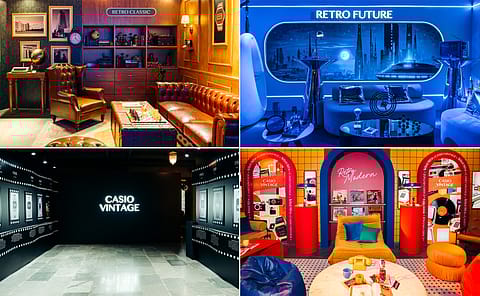
This strategy was recently brought to life through ‘Vintage Verse’, an experiential showcase in Mumbai that reinterprets the brand’s legacy Vintage collection through a contemporary lens. Built around the idea of “Future Classics”, the initiative underscores Casio’s attempt to keep its retro designs relevant across generations.
The pivot appears to be paying off. Casio India is clocking strong double-digit year-on-year growth across categories, geographies, and consumer segments. Its Vintage range, in particular, has doubled in size over the last three years, driven by a diverse consumer base that includes students, professionals, artists, and collectors.
The company attributes much of this traction to Gen Z consumers, who are increasingly seeking products that enable individuality and authenticity. “Vintage design is timeless, but it is being modernised to stay relevant without overpowering personal style,” managing director Takuto Kimura said, adding that collaborations with creators and communities remain central to the brand’s strategy.
Casio’s growth also coincides with what it sees as an emerging fatigue in the smartwatch category. While connected devices have dominated wristwear in recent years, the company believes consumers are gradually rediscovering classic watches as fashion accessories rather than purely utilitarian tools.
Can Casio sustain its position in India’s fragmented watch market?
Despite its strong performance, Casio acknowledges that India’s watch market remains opaque, with no officially published data on market share. Even so, the company maintains that it is among the top two players in the country—a position it says reflects sustained consumer trust as much as scale.
Financially, the India business reflects steady expansion. The company reported revenue of ₹907.6 crore in FY25, marking a 15% year-on-year increase, while net profit stood at ₹53.6 crore. Over a five-year period, revenue has more than doubled from ₹397 crore in FY21, indicating consistent demand growth.
Importantly, Casio India remains debt-free and maintains strong liquidity, providing it with the flexibility to invest in retail expansion and brand-building initiatives.
Going ahead, the company plans to scale its physical presence and deepen its engagement with India’s creative communities. The broader play is clear: in a market increasingly shaped by self-expression and aesthetics, Casio is betting that cultural relevance—not just technology—will define the next phase of growth in the watch industry.
Follow Fortune India
NEXT STORY