
Gas supply crunch hits auto component makers, threatens production schedules across clusters
ADVERTISEMENT
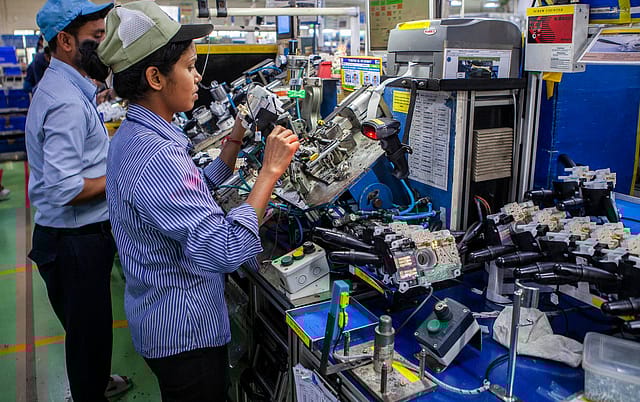
A paucity of industrial gases is beginning to rattle India’s auto component industry, with energy-intensive operations such as castings and forging bearing the brunt. Industry stakeholders indicate that gas-fired furnaces—widely adopted in the sector as part of a shift to cleaner fuels over the past few years—are now grappling with supply constraints, directly affecting production cycles and output across factories.
Industry representatives maintain that the shortage—primarily impacting gases such as oxygen, argon and nitrogen—has disrupted critical processes integral to the production of automotive parts, from engine components to chassis systems and electronics.
“Energy-intensive operations such as castings and forging are facing significant disruption due to fuel supply constraints. The impact is particularly severe on MSMEs, leading to production challenges across the supply chain,” stated Vinnie Mehta, Director General, Automotive Component Manufacturers Association.
With multiple government notifications in recent weeks, the domestic auto component industry has approached authorities to stabilise supplies and mitigate operational disruptions. The tightening supply is also coinciding with rising input costs, adding pressure on component makers already navigating thin margins, according to ACMA.
“While the industry is exploring alternative fuels, such transitions require time and infrastructure changes. We are in close touch with the government, which is actively engaged, and some positive steps—such as recent LPG shipments—have been seen,” added Mehta.
Industrial gases remain critical across multiple manufacturing stages, from cutting and welding to heat treatment. Oxygen and acetylene are widely used in fabrication, while argon supports precision welding processes such as Tungsten Inert Gas (TIG) and Metal Inert Gas (MIG) welding.
Adding an analytical perspective, Srikumar Krishnamurthy of ICRA Limited noted that gas supply constraints are already affecting continuous processes such as paint shops, castings and auto glass manufacturing. “While mid- to large-sized players are managing through alternative fuels or direct sourcing arrangements, MSMEs are likely to face a disproportionate impact due to limited flexibility,” he pointed out.
Auto component industry size and growth prospects
The Indian auto component industry, currently valued at around ₹6.7 lakh crore (about $80 billion), is largely driven by domestic demand, with OEM supplies forming the bulk of revenues, alongside a growing aftermarket and exports. The sector is projected to scale up to nearly $200 billion by 2030, underlining its strategic importance.
Leading players include Bosch India, Bharat Forge, Sundram Fasteners, Motherson Group and Uno Minda, alongside global Tier-1 suppliers such as Denso, Continental AG and ZF Friedrichshafen.
Production lines under strain
ACMA said the gas shortage has led to intermittent halts, particularly among MSMEs dependent on just-in-time supplies. Larger firms have so far cushioned the impact, but prolonged disruptions could ripple across the automotive value chain.
“Critical components such as aluminium die-cast parts, transmission housings, and EV battery casings are heavily dependent on gas-fired furnaces for consistent high-temperature processing. A supply crunch would not only impact production continuity but also force a shift to costlier alternative fuels, thereby increasing overall manufacturing costs across the sector,” said Uday Narang, Managing Director, Simastra Systems Ltd.
Echoing similar concerns, Poonam Upadhyay of CRISIL said the near-term impact is likely to be felt more through output disruptions and margin pressures than demand weakness. According to her, “Lower throughput and uneven utilisation could defer dispatches, while smaller manufacturers may face sharper margin stress due to limited flexibility in switching fuels.”
Cost pressures mount
Beyond production disruptions, rising gas prices are squeezing margins in an already cost-sensitive sector. Suppliers are finding it difficult to pass on higher costs, given long-term contracts with OEMs.
Analysts warn that sustained disruption could strain margins further from FY27 onwards, amid rising crude-linked input costs and logistics expenses. While some cost increases may be passed on, working capital cycles could stretch.
While the industry is evaluating alternatives such as electrification, executives caution that such transitions require time and significant infrastructure changes. A prolonged disruption could also begin to impact OEM production schedules, even as demand remains robust, according to ACMA.