
PV sales roar to 4.4 lakh units in May, up 26%; Maruti hits record high as Tata and Kia accelerate
ADVERTISEMENT
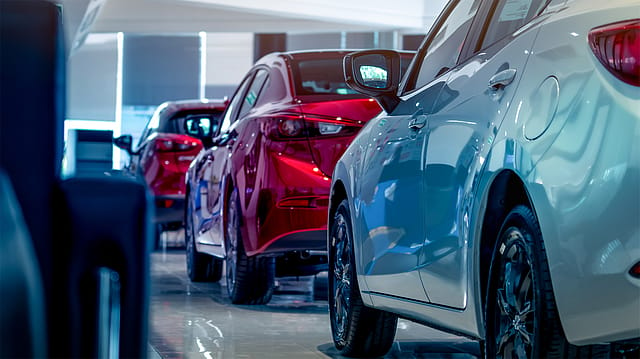
The domestic passenger vehicle (PV) industry is on course for one of its strongest monthly performances in recent years, with wholesale dispatches estimated at around 4.4 lakh units in May 2026, up nearly 26% from about 3.5 lakh units a year earlier.
The strong momentum has been fuelled by lower dealer inventories, healthy booking backlogs, improved affordability after last year's GST cuts and a rush among buyers to advance purchases before automakers implement price hikes. Most manufacturers have announced price increases of ₹10,000-15,000 in recent weeks to offset higher commodity and logistics costs linked to tensions in West Asia.
The industry's resilience is particularly notable given the recent increase in fuel prices. Petrol and diesel prices have risen by about ₹7.5 per litre over the past few weeks, prompting concerns that higher running costs could weigh on demand, especially in entry-level car segments. However, strong booking pipelines and healthy consumer sentiment have so far helped offset those concerns.
Small cars show signs of revival
Among manufacturers, Maruti Suzuki India emerged as a key contributor to the industry's growth story. The country's largest carmaker reported its highest-ever monthly domestic sales of 193,535 units in May, compared with 138,690 units a year earlier. Total sales, including exports, stood at a record 242,688 units. Banerjee attributed the strong performance partly to improved vehicle availability following the commissioning of Maruti Suzuki's Kharkhoda facility, which has helped ease supply constraints that weighed on volumes during the January-March quarter.
Partho Banerjee, Senior Executive Officer (Marketing & Sales), Maruti Suzuki India, said higher fuel prices typically affect sentiment in the small-car segment as they raise the overall cost of ownership. Yet, the company delivered broad-based growth across categories, with passenger car sales rising 42%. He also credited the company's expanding rural reach and growing presence in the mid-SUV segment for supporting demand.
"We continue to see strong demand from first-time buyers as two-wheeler owners upgrade to passenger vehicles," Banerjee said, adding that Maruti is also seeing a sharp rise in bookings for alternative-fuel vehicles. Bookings for the upcoming e-VITARA have doubled to over 4,000 units, while CNG vehicle bookings have risen 1.4 times. However, he cautioned that a sustained increase in fuel prices could eventually weigh on demand.
Alternative fuel vehicles gain momentum
The strength of demand was visible across manufacturers. Tata Motors' passenger vehicle sales rose 42% year-on-year to 59,090 units, helping it retain its position as the country's second-largest carmaker. Mahindra & Mahindra posted an 11% rise in SUV sales to 58,021 units, while Hyundai Motor India reported domestic sales of 47,837 units, up 9.1%.
Hyundai said it had "continued its strong momentum" into May, while M&M highlighted sustained demand across its SUV portfolio despite supply-chain constraints at some suppliers. Kia India posted its highest-ever May sales since entering the market, with volumes rising 23.6% to 27,586 units, which the company attributed to strong demand across its product range.
Toyota Kirloskar Motor's domestic sales grew 4% to 30,574 units, with the company highlighting the milestone of crossing 3 lakh cumulative strong-hybrid vehicle sales in India.
The strong performance across manufacturers suggests demand remains broad-based despite concerns over rising ownership costs. Premium SUVs continue to drive growth, while growing interest in electric, CNG and hybrid vehicles points to an accelerating shift towards alternative powertrains.
Adding to the positive outlook, Crisil Ratings expects domestic passenger vehicle wholesale volumes to grow 5-7% in FY27 and approach 5.9 million units, supported by the lingering benefits of last year's GST cuts, improving affordability and sustained demand for utility vehicles. The ratings agency also expects expanding SUV offerings across price points to support growth momentum.