
Govt moves to tighten fuel efficiency targets under CAFE 2027 norms for passenger vehicles, introduce credit trading and EV incentives
ADVERTISEMENT
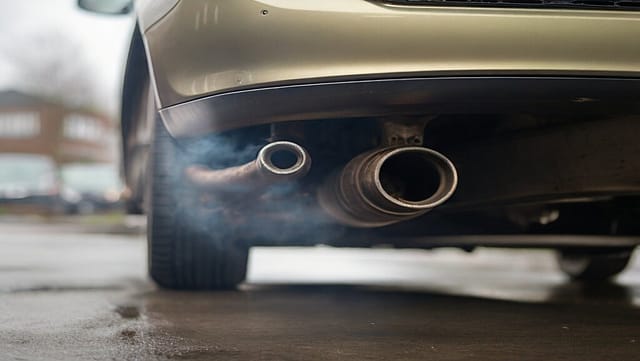
The Government of India has proposed a stricter, more market-linked Corporate Average Fuel Efficiency (CAFE) framework for Passenger Vehicles (PVs) starting April 2027, marking a major regulatory overhaul for the auto sector.
The draft notification, which was accessed by Fortune India, sets tighter fleet-wide fuel consumption targets, expands incentives for electric and hybrid vehicles, and introduces a formal credit trading mechanism to improve compliance flexibility and emissions outcomes.
The Corporate Average Fuel Consumption (CAFE) 2027 norms, also called CAFE 3 norms, issued for stakeholder consultation, will replace standards notified in 2015 and revised in 2021. The framework will remain in force through FY32 and will apply to all M1 category passenger vehicles, including imports, as per the draft notification.
It also states that the compliance with the emission norms will be assessed annually at the manufacturer level based on fleet-wide weighted average emissions linked to vehicle mass.
It was recently reported that the proposal to implement the third phase of Corporate Average Fuel Efficiency (CAFE-III) norms has been sent to the Prime Minister’s Office after consultations with industry stakeholders
Credit trading system introduced for compliance flexibility
A key feature of the draft is a “passbook” style compliance system, under which automakers can earn credits for exceeding efficiency targets or accumulate debits for underperformance. These credits may be traded between manufacturers or purchased from the Bureau of Energy Efficiency, effectively creating a structured carbon credit market for passenger vehicles.
The pricing of credits is set to tighten over time, rising from ₹2,500 per gCO₂/km in FY28 to ₹4,500 by FY32. The draft also defines compliance cycles—initially three-year blocks followed by two-year periods—within which credits can be banked before expiry, encouraging early efficiency improvements.
Stronger incentives for EVs, hybrids and clean technologies
The proposal significantly strengthens incentives for low- and zero-emission technologies through “super credits” and carbon-neutrality multipliers. Battery electric vehicles and range-extended EVs receive a 3.0 volume multiplier, giving them a strong advantage in fleet-level compliance calculations. Plug-in hybrids and strong hybrids also receive favourable treatment, while flex-fuel and ethanol-compatible models benefit from emission-linked discounts.
Technologies such as regenerative braking, start-stop systems, and high-efficiency air-conditioning are also recognised for incremental compliance benefits, reducing reported fuel consumption at the model level. The framework is expected to accelerate electrification and efficiency-led engineering across automakers’ portfolios.
Shift towards real-world testing and higher transparency
While compliance will continue to be measured under the Modified Indian Driving Cycle (MIDC), manufacturers will also be required to report emissions under the Worldwide Harmonized Light Vehicles Test Procedure (WLTP), signalling a gradual move toward real-world driving conditions.
Automakers will additionally submit detailed model-wise and state-wise sales data annually, increasing regulatory transparency and oversight, as per the draft notification.