
Tata Motors CV arm retains FY27 capex at around ₹3,000 crore, turns cautious on spending amid West Asia crisis: MD & CEO Girish Wagh
ADVERTISEMENT
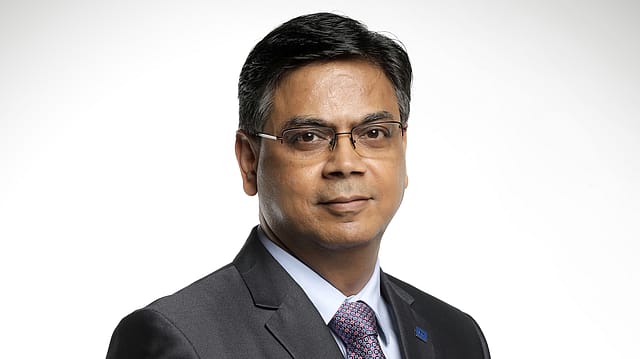
Tata Motors’ commercial vehicle (CV) business has adopted a more cautious stance on near-term expenditure amid escalating geopolitical tensions in West Asia, even as it has retained its FY27 capital expenditure guidance at around ₹3,000 crore, MD and CEO Girish Wagh said during the post Q4 FY26 earnings call.
“We are going a bit cautiously at this moment,” Wagh told reporters, adding that the West Asia crisis has created “multiple headwinds” for the industry, including commodity inflation and sentiment-led hesitation among customers. “This external event has created a necessity to revisit the playbook,” he said.
Capex steady, execution timing may shift
While the company has not altered its overall capex plan—typically 2–4% of annual revenue—Wagh said there could be “some timing difference” in deployment depending on evolving macroeconomic conditions. “We are actively watching some of the important external and macro indicators to align our plans immediately,” he added.
Despite uncertainty, Wagh maintained that domestic CV demand remains resilient and the industry is still expected to post single-digit growth in FY27. “The underlying demand driver still continues to be pretty robust,” he said, citing steady freight movement and healthy utilisation levels.
Cost pressures from commodities, diesel volatility
Wagh flagged key monitorables including diesel prices, monsoon performance and commodity inflation. Diesel, which accounts for 20–50% of total cost of ownership in commercial vehicles, remains a critical demand determinant.
“There has been serious commodity (price) inflation due to the war,” he said, adding that customers are more cautious but continue to buy due to underlying demand strength. GST-led demand support also continues to aid market sentiment.
The Mumbai-based automaker's consolidated Profit after Tax (PAT) increased by 35% year-on-year to ₹1,800 crore in Q4 FY26, aided by higher volumes, improved realisations and operating leverage. Consolidated revenue from operations grew 19% to ₹26,098 crore during the quarter under review.
Balanced pricing and cost-control strategy
On pricing, Wagh said Tata Motors is taking a calibrated approach rather than fully passing on higher input costs. “We don’t want to disturb the growth momentum by passing on the entire increase,” he said.
The company has already implemented selective price hikes since April and is simultaneously tightening cost controls. “We have taken steps right from April… and are keeping a close control over controllable expenses,” Wagh said.
On exports, he noted pressure in West Asia and North Africa, while SAARC markets such as Bangladesh, Nepal and Sri Lanka are also under strain, with Sri Lanka facing the sharpest impact due to fuel shortages. However, he expects West Asia demand to rebound once geopolitical conditions stabilise, driven by infrastructure-led requirements.
Tata Motors has also rolled out austerity measures including travel rationalisation and cost pooling, as it navigates a “more cautious operating environment” in FY27 while maintaining its long-term growth outlook for the CV business.