
Two-wheeler sales jump 29% in April to 1.9 million units, but FY27 growth may slow to 3-5%: ICRA
ADVERTISEMENT
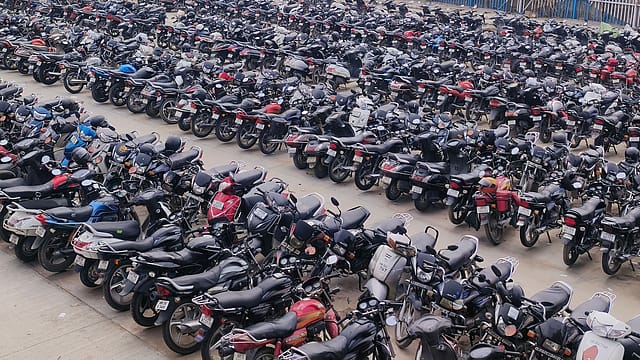
India’s two-wheeler industry started FY2027 on a strong footing, with domestic wholesale volumes rising 29.2% year-on-year (YoY) in April 2026 to 1.9 million units, aided by GST-led affordability gains, resilient rural demand and improving replacement cycles, according to ICRA.
Retail demand also remained healthy during the month, growing 13% YoY, supported by strong agricultural cash flows, lower-than-expected vehicle price hikes and an extended wedding season till mid-May. However, the ratings agency expects growth momentum to moderate through the rest of FY2027 amid concerns around a weak monsoon and rising input costs.
High base, weak monsoon may temper momentum
ICRA has projected two-wheeler wholesale volume growth of 3-5% YoY in FY2027, lower than the sharp recovery seen in recent quarters, primarily because of a high base effect.
The agency said a likely weak monsoon due to El Niño conditions could impact rural sentiment, a critical demand driver for entry-level motorcycles and scooters. At the same time, fuel-linked vehicle price hikes and commodity inflation may put additional pressure on affordability in the coming months.
Despite these headwinds, GST rationalisation and replacement demand are expected to continue supporting volumes. The industry is also closely monitoring geopolitical tensions in West Asia, which could disrupt supply chains and trigger further increases in commodity prices.
Electric two-wheelers continue rapid expansion
Electric two-wheelers (e2Ws) maintained strong growth momentum in April. Retail e2W sales rose 68.1% YoY to 1,54,337 units during the month, while overall FY2026 e2W volumes expanded 21.9%.
ICRA noted that e2W penetration within the broader two-wheeler market increased to 8.1% in April 2026, reflecting growing consumer acceptance, wider product availability and improving cost competitiveness. The segment has also benefited from rising awareness around lower operating costs and increasing model choices across price brackets.
Exports remain a key growth driver
Exports continued to be a bright spot for the industry, with monthly export volumes surging 38.3% YoY in April despite weakness in some overseas markets.
For FY2026, total exports grew 23.3%, driven by expanding product portfolios and increasing global recognition of Indian two-wheeler brands across Africa, Latin America and parts of Asia. However, ICRA cautioned that escalating geopolitical instability in West Asia remains a key risk to export growth going forward.