
'Blatantly Untrue': Reliance denies receipt of Russian cargoes at Jamnagar as tariff & sanctions risks mount
ADVERTISEMENT
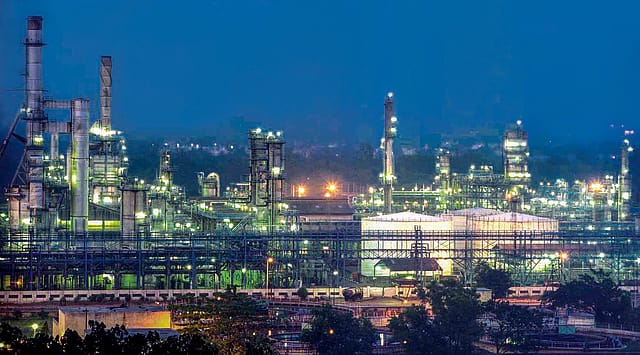
Mukesh Ambani-led Reliance Industries Ltd (RIL) issued a sharp rebuttal on January 6, rejecting claims that its massive Jamnagar refinery complex is currently importing Russian crude. The statement was a direct response to a Bloomberg report based on Kpler ship-tracking data, which alleged that three tankers carrying approximately 2.2 million barrels of Urals crude were signalling Jamnagar as their destination.
Calling the reports "blatantly untrue", Reliance clarified that the refinery has not received a single cargo of Russian oil in approximately three weeks and is not expecting any deliveries for the entire month of January 2026.
The Trump tariff squeeze
The denial comes against a volatile geopolitical backdrop. US President Donald Trump recently warned that Washington could raise tariffs on Indian goods "very quickly" if New Delhi fails to address the "Russian oil issue". The US administration has already doubled tariffs on select Indian imports to 50% in late 2025, explicitly citing India’s funding of Moscow’s war chest via energy purchases as a primary grievance.
In response to this pressure, the Indian government has mandated weekly crude purchase disclosures from refiners. This move aims to arm Prime Minister Narendra Modi’s office with "verified data" for ongoing high-stakes trade negotiations with the White House, according to a Reuters report from January 2.
Looming EU deadline
Reliance’s pivot is also driven by the European Union's impending January 21, 2026 deadline. Under the new "60-day rule," Europe will effectively reject refined fuels—such as diesel and jet fuel—from any facility that has processed Russian crude in the preceding two months. As a critical supplier to Western markets, RIL’s export-oriented SEZ refinery had already halted Russian intake as far back as November 20, 2025, to ensure compliance.
India’s overall Russian oil imports plummeted to a three-year low of roughly 1.1 million barrels per day in December 2025, a stark drop from the 2-million-barrel peak seen earlier in the war.
The shares of Reliance Industries dropped 3.8% to an intraday low of ₹1,517.80 apiece on the NSE during morning trade on Tuesday, just a day after the company's stock price hit an all-time high of ₹1,611.80.