
Cement firms’ operating margins to decline by 150–200 bps as energy costs surge: Crisil
ADVERTISEMENT
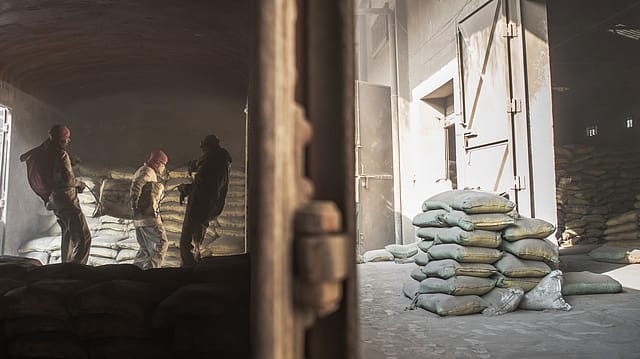
Profitability of cement companies is set to come under pressure this fiscal as rising energy costs, driven by global geopolitical tensions, push up production expenses, according to a report by Crisil Intelligence.
The report released on Monday estimates operating margins will decline by 150-200 basis points (bps) year-on-year to 16-18% in FY27, reversing gains of 260-280 bps seen in the previous fiscal. The squeeze comes as power and fuel costs, which account for 26-28% of total expenses, are expected to rise 10-12% year-on-year.
Rising energy costs to weigh on profitability
The spike in costs is largely attributed to a sharp increase in global energy prices. Brent crude surged 46% month-on-month to average about $104 per barrel in March 2026 and is expected to remain elevated at $82-87 this fiscal. Similarly, pet coke and thermal coal prices have also firmed up, adding to input cost pressures.
“Geopolitical disruptions will intensify cost pressures for cement makers in the first half this fiscal. A surge in energy prices, which will have a pronounced impact on power and fuel expense, and a moderate increase in raw material and freight cost will push total cost up 4-6% this fiscal.” said Sehul Bhatt, Director, Crisil intelligence.
Cement firms are likely to increase prices
To offset part of the rising costs, cement companies are likely to increase prices by 1-3% year-on-year, taking average realisations to ₹355-360 per bag. However, competitive intensity and capacity additions are expected to limit sharper price hikes.
Despite the cost headwinds, demand for cement is projected to remain steady, growing 6.5-7.5% this fiscal. Growth will be driven primarily by infrastructure projects and demand from industrial and commercial segments.
“While cement prices will be increased to mitigate the impact of higher cost to some extent, there will still be a dent on profitability. With steady demand growth and price uptick, realisation of players is expected to improve a moderate 2-4% this fiscal, which will offer some respite.” said Kinjal Shah, Manager, Crisil intelligence.
The report also showed that premiumisation trends and higher ex-GST prices could support realisations, but may not be sufficient to fully offset the rise in costs.