
Delhi EV policy to accelerate shift from ICE vehicles, boost EV penetration, says Crisil
ADVERTISEMENT
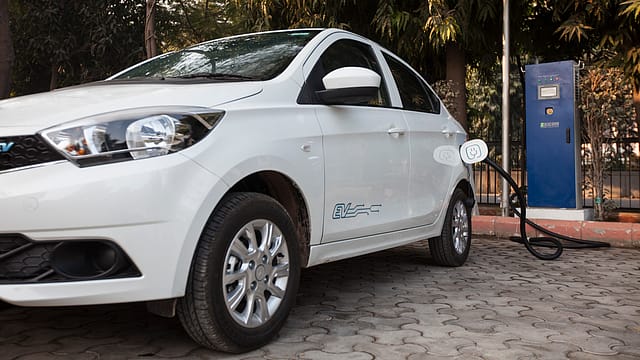
The draft Delhi Electric Vehicle (EV) Policy 2026–2030 is set to significantly accelerate the adoption of electric mobility, with a clear push to phase out internal combustion engine (ICE) vehicles and improve air quality in the capital, according to a report by Crisil Intelligence.
Vehicular emissions account for around 23% of Delhi’s winter pollution, making transport a key focus area. Two-wheelers, which make up nearly 67% of Delhi’s total registered vehicles, are expected to play a central role in this transition. The draft policy proposes a ban on registration of new ICE three-wheelers from January 1, 2027, and two-wheelers from April 1, 2028, effectively mandating a shift to EVs.
Strong demand outlook
Crisil estimates that the policy could lead to sales of “almost 600,000 e-two wheelers (9-11% of EV two wheelers in fiscal 2029) and 11,500 e-three wheelers (4-6% of EV three wheelers in fiscal 2028)” replacing ICE vehicles.
As a result, EV penetration in the two-wheeler segment could rise to 21–23% by FY29, compared with 18–20% now under a business-as-usual scenario. Similarly, penetration in the three-wheeler segment may increase to 40–42% from 38-40% now.
The report noted that the “lifetime cost of ownership (LCO) for electric two- and three-wheelers already compares favourably with their ICE counterparts,” and policy incentives will further strengthen their economic viability.
Challenges remain
However, adoption challenges persist in certain segments. While electric buses under state transport undertakings benefit from subsidies and contract models, the economics remain less favourable for private operators.
“This signifies an additional burden on school bus operators and the policy may need to carve out incentives for this segment,” the report said.
The policy also underscores the need for faster localisation of batteries and EV components, alongside expansion of charging infrastructure, to support rising demand.
Wider impact
Despite Delhi’s relatively small share in overall vehicle sales, the report said its policy could have a broader influence.
“Adoption of similar measures by larger states following Delhi's example would accelerate the ongoing transition to EVs,” the report said.