
Higher commercial LPG allocation removes near-term risk for F&B sector
ADVERTISEMENT
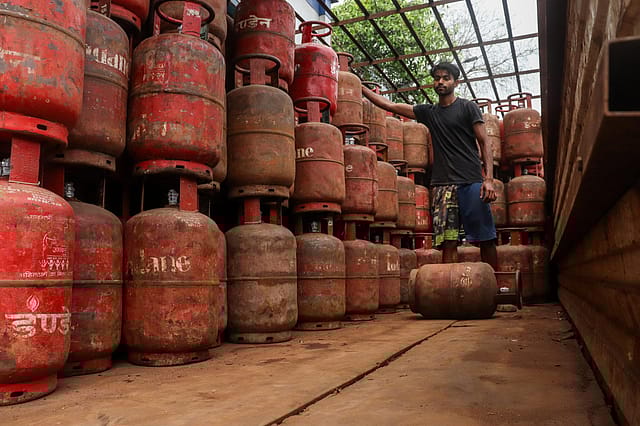
The Centre’s move to step up commercial LPG allocation is expected to ease pressure on restaurants, hotels and food tech platforms, after weeks of supply cuts triggered by global disruptions. Analysts say the increase should more than cover industry demand, limiting any impact on operations or consumption.
Over the weekend, the government approved an additional 20% allocation of commercial LPG to states and union territories, targeted at restaurants, dhabas, hotels, industrial canteens, food processing units, dairy players, and community kitchens. This comes after an earlier 20% allocation, along with a conditional 10% top-up linked to faster rollout of piped natural gas (PNG) infrastructure, taking the total potential allocation to as much as 50% of estimated demand.
Supply now exceeds industry requirement
According to Karan Taurani, executive vice president of Elara Capital, the revised allocation significantly tilts the balance in favour of the food services ecosystem. India has an estimated 7.5–8 crore 19-kg commercial cylinders available each month, with nearly 50% or 3.5–4 crore cylinders likely to be directed toward the F&B sector.
“This is well above the industry’s estimated requirement of 2–2.5 crore cylinders per month,” Taurani said. “At these levels, supply should be adequate even under stressed conditions, and we do not expect any meaningful disruption to order volumes, average order values, or margins for food tech platforms.”
The earlier curbs were aimed at protecting household LPG supply, as disruptions linked to tensions in West Asia, particularly around the Strait of Hormuz, a key global energy chokepoint, hit India’s import flows.
At the outlet level, the numbers also indicate sufficient coverage. With roughly 32 lakh LPG-dependent establishments and an assumed consumption of about five cylinders per outlet per month, availability appears aligned with demand.
The move is particularly positive for organised players and quick-service restaurant (QSR) chains, which tend to have more predictable demand patterns and supply arrangements. Taurani noted that these segments are likely to remain resilient, with minimal operational impact.
For food tech platforms, the implications are equally constructive. With supply-side risks easing, near-term uncertainties around delivery volumes and cost pressures are expected to recede.
The decision also helps remove a key overhang that had emerged amid concerns over global energy supply disruptions. “Overall, the move removes a key near-term overhang for the F&B ecosystem,” said Taurani.
Largely, the increase in commercial LPG allocation signals policy support aimed at stabilising a consumption-heavy sector, ensuring that both organised and unorganised players can operate without significant disruption in the near term.