
India has enough capacity to meet recycled PET mandate, industry body APR Bharat says
ADVERTISEMENT
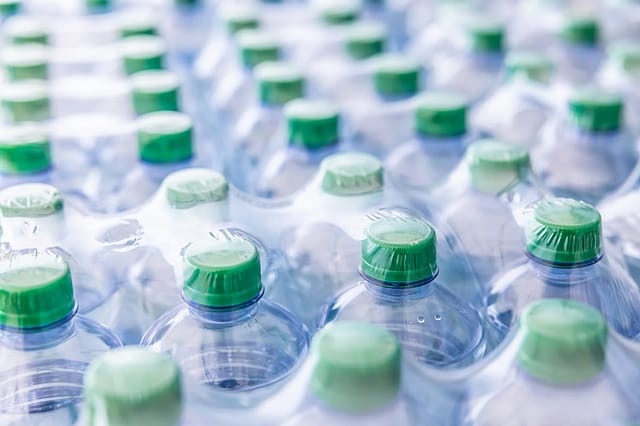
The Association of PET Recyclers (APR) Bharat addressed concerns in the beverage industry about a possible shortage of food-grade recycled PET (r-PET), saying India has enough capacity to meet the upcoming rules. PET, or polyethylene terephthalate, is the plastic commonly used in beverage bottles and food packaging.
The industry body said recyclers are “ready” to support the transition as the government moves ahead with its mandate of 40 per cent recycled content in food-grade PET packaging from April 1, 2026. The rules also allow companies to carry forward unmet targets from 2025-26 for up to three years, adding to demand pressure.
According to Goutham Jain, director general of APR Bharat, the sector has already built adequate capacity to meet both current and additional requirements.
“We already have FSSAI-approved 17 food-contact r-PET plants with a combined capacity of around 3.56 lakh tonnes currently on stream which is enough to meet the 40% recycled content requirement for FY 2026–27. This capacity can support the additional carry-forward requirement of up to 10% from FY 2025–26. Besides, the recycled PET manufacturers are expanding at a rapid scale. Their food-grade r-PET capacity is expected to reach around 7.5 lakh tonnes by March 2027. This means the sector is preparing not only for the current 40% mandate, but also for the future increase to 60% in 2028-29 recycled content,” Jain said.
The sector has already attracted investments of over ₹9,000 crore, driven by policy clarity under the Plastic Waste Management (PWM) Amendment Rules and approvals from the food safety regulator. Industry players have invested in advanced recycling technology, plant infrastructure and safety systems.
However, APR Bharat cautioned that the success of the transition will depend on steady demand from brands and strict compliance with the rules. It noted that while brand owners were expected to actively support recycling capacity, there is now growing pressure from parts of the industry to delay targets.
“Such delays risk derailing India’s circular economy ambitions and undermine the commitments our nation has made on global platforms to combat plastic pollution. A consistent and committed approach from all stakeholders—especially brand owners—is essential to ensure that the progress achieved so far is not reversed,” Jain said.
The body also highlighted the broader economic and supply chain benefits of the mandate. With global supply chains facing uncertainty, a strong domestic r-PET ecosystem can reduce reliance on imported virgin plastic and improve raw material security.
“Virgin PET availability and prices can be affected by external shocks. A strong domestic r-PET ecosystem gives India a more stable local source of raw material. It can reduce dependence on imported virgin PET and make the packaging supply chain more secure,” Jain added.
Beyond industry, the transition is expected to support livelihoods in the informal sector, which plays a key role in plastic waste collection. Higher demand for recycled material could improve income stability and create more jobs across the recycling value chain.