
India’s protein market accelerates; Amazon clocks over 40% growth, premium SKUs expand 3.5x faster
ADVERTISEMENT
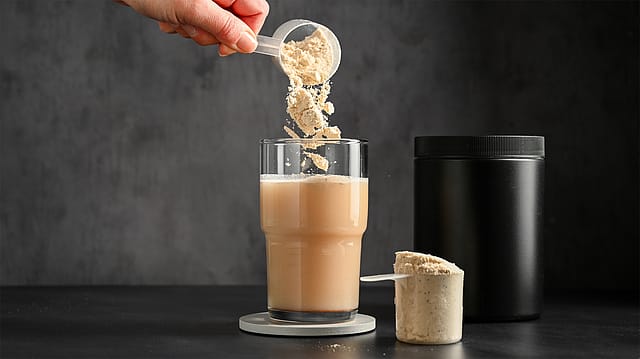
India’s protein consumption story is no longer confined to gym enthusiasts in metros. As awareness around nutrition deepens and formats diversify, the category is expanding across age groups, price tiers and geographies — reshaping the broader health and wellness landscape.
IMARC, a global market research and advisory firm, estimates India’s protein supplements market at ₹7,461 crore in 2024, projected to reach ₹13,186 crore by 2033. But leading platforms and brands indicate that growth on the ground is running ahead of these forecasts, particularly in premium and convenience-led segments.
At Amazon India, the acceleration is even sharper. Nishant Raman, Director – Everyday Essentials at Amazon India, says the company’s protein and nutrition portfolio is significantly outpacing broader FMCG growth online.
“Overall, Everyday Essentials is growing at 27–28% year-on-year. Protein and nutrition is growing at 35%. Whey proteins are growing at 42%, and other supplement formats at 45–46%,” Raman says. He adds that protein has emerged as one of the fastest-growing segments within Amazon’s Everyday Essentials business, which spans FMCG, health and wellness, and parenting categories across national shipping, Amazon Fresh and quick commerce.
Premiumisation gathers pace
Across online channels, protein and nutrition portfolios are growing in the mid-30% range, with whey proteins clocking growth of over 40% and other supplement formats expanding even faster.
Whey continues to anchor the sports nutrition category, contributing roughly 60–65% of sales. What is changing, however, is the price mix.
Products priced above ₹4,500 are growing 3.5 times faster than lower-priced packs — signalling a clear premiumisation wave. Consumers are upgrading to cleaner formulations, transparent ingredient lists, natural sweeteners and lower sugar variants. Larger pack sizes, offering better unit economics, are also gaining traction.
Raman describes this as a twin trend of product and value premiumisation. “Customers are upgrading to more advanced formulations with clearer ingredient lists, and at the same time opting for larger packs that offer better economics,” he says, noting that premium SKUs are expanding far faster than entry-level products.
Global brands such as Optimum Nutrition and Dymatize remain anchor players in whey, while newer plant-based and specialty brands are entering the fray. Raman says international brands continue to see strong traction, and the platform is in discussions with additional global players expected to enter the market.
“There has been no better time than now for health and nutrition brands in India,” says Sumit Mathur, General Manager – South Asia at Glanbia Performance Nutrition. “Increasingly, fitness is becoming a lifestyle choice for consumers of all ages and awareness around protein deficiency in the Indian diet stands out.”
Mathur points to the company’s recent activation around World Protein Day and the launch of Gold Standard Whey Unflavoured as part of efforts to make protein more accessible. “With world-renowned whey protein brands like Optimum Nutrition and ISOPURE, we believe we can make a difference.”
Beyond gym-goers: From hardcore fitness to mindful eating
If the past decade was about muscle-building, the next is about mindful eating.
Industry executives say the shift began nearly 10–15 years ago but accelerated post-Covid. The pandemic heightened consumer awareness around immunity and preventive health. With limited medical recourse at the peak of the crisis, food emerged as the first line of defence.
Consumers today are more calorie-conscious, label-aware and informed about macro- and micronutrients. The long-discussed protein gap — with experts often citing a requirement of roughly 60 grams per day for a 60-kg adult versus typical consumption of 40–45 grams — has entered mainstream conversation.
Raman describes the transformation as a “sea change” over the past decade. “Earlier, demand was mainly whey protein, driven by serious fitness and gym consumers. Now it has shifted toward overall health and well-being across life stages,” he says. He adds that older cohorts are increasingly purchasing targeted formulations and combination supplements, expanding the consumer base beyond young gym-goers.
Protein is no longer viewed as a supplement for bodybuilders but as a daily essential for overall well-being. This broader awareness is fuelling repeat purchases. According to Raman, while the average Everyday Essentials customer shops five to seven times annually, highly engaged customers can transact up to 50–60 times a year. Protein and supplement buyers tend to purchase more frequently, reflecting the habitual nature of the category.
Format innovation widens the funnel
Perhaps the biggest structural shift is format innovation.
Bars, ready-to-drink (RTD) beverages, gummies, melts and fortified staples are growing six to seven times year-to-date from a smaller base. These formats appeal to office-goers, women consumers and first-time buyers who may find traditional protein shakes intimidating or inconvenient.
Raman says the expansion beyond powders has been critical in making the category more accessible. “The category is no longer limited to powders. Bars, drink mixes and ready-to-consume formats are making protein consumption more convenient and less intimidating for first-time users,” he notes.
As Tarun Arora, CEO and Whole-time Director at Zydus Wellness, adds, fitness is increasingly democratised. “Earlier, protein powders were largely for hardcore gym users. Today, people doing yoga, brisk walking or simply trying to live healthier lives are equally conscious about protein intake.”
Arora believes innovation will converge on two themes: delivering high-quality protein with complete amino acid profiles, and improving taste and everyday usability. “Protein has to integrate into regular food habits. If it tastes good and fits naturally into daily routines, adoption will accelerate.”
Shuvadip Banerjee, CDMO, ITC Foods, says India’s protein market is undergoing a structural shift from a niche, gym-led category to a mainstream nutritional priority across age groups and regions. “The real opportunity lies in scalable solutions that fit Indian eating habits and move consumers from occasional supplementation to consistent, everyday intake,” he says.
Morning breakfast interventions, evening snacking and even pre-bed consumption occasions are emerging as new battlegrounds for brands.
Plant-based proteins gain credibility
Plant-based protein, once seen as niche and restricted to vegan or lactose-intolerant consumers, is expanding as a lifestyle choice.
Raman notes that plant-based proteins, initially driven by specific dietary needs, are now gaining broader acceptance. “It started with specific dietary requirements, but awareness has spread because of perceived benefits and clean-label preferences,” he says, adding that the segment has grown rapidly over the past two years and is steadily gaining share within the overall protein portfolio.
“Indians have under-consumed protein for decades. That’s changing,” say Meghana Narayan and Shauravi Malik, co-founders of Wholsum Foods. “People are paying closer attention to what their food does for them, and protein is finally part of that conversation.”
Under their adult nutrition brand Mille, the company introduced bio-fermented yeast protein — among the first such formats in India. “Plant options in India have often been chalky and rarely good for the gut. We wanted to change that,” they add, noting that nearly 44% of customers return for repeat purchases.
Bharat joins the protein wave
Geographically, the growth story is no longer metro-centric.
While metro and Tier 1 cities are expanding at 44–45%, Tier 2 and Tier 3 markets are close behind at around 40%. Cities such as Bengaluru are clocking growth in the 50–59% range, while smaller towns like Dehradun, Kolhapur, Mangalore, Shivamogga and Ambala are posting robust gains.
“The trend has shifted from being heavily metro-led to growth rates that are now comparable,” Raman says. “Over the next decade, I expect demand to increasingly come from Bharat beyond the metros.”
He notes that metros lean toward speed and convenience, while smaller towns are more planned and value-conscious in spending. However, premiumisation trends are visible across geographies, indicating that higher-quality protein products are finding acceptance well beyond urban centres.
The road ahead
Executives across companies agree that India’s protein category is entering a sustained premiumisation cycle. Rising disposable incomes are being channelled not only toward gadgets and experiences but also toward better-quality food.
Raman believes the next phase of growth will be driven by sharper category education, functional blends, fortified everyday foods and continued format innovation. As consumers become more aware of nutritional deficiencies and preventive health, the shift from reactive supplementation to daily wellness is likely to accelerate.
For Amazon India, the strategy is to expand selection, onboard global and domestic brands, and enable access across price tiers and delivery formats. If current growth rates hold, protein could emerge as one of the defining categories in India’s evolving FMCG landscape — powered by premium packs, plant-based innovation and a rapidly health-conscious Bharat.