
Iran-linked disruptions ripple through FMCG sector, triggering price hikes and cost pressures
ADVERTISEMENT
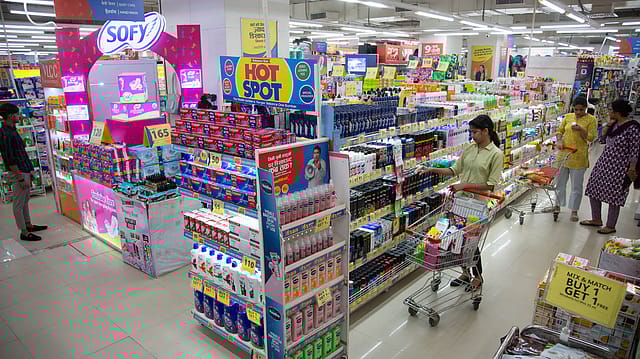
Rising geopolitical tensions, particularly in West Asia, are beginning to show up sharply in the balance sheets of India’s fast-moving consumer goods (FMCG) companies, with input cost inflation, supply disruptions and freight spikes forcing firms to raise prices and brace for margin pressure.
A recent sector update by Anand Rathi Research highlights how the ripple effects of global instability are feeding into everything from crude-linked raw materials to packaging and logistics, creating a broad-based cost overhang for the FMCG sector.
One of the clearest signs of stress is visible in pricing. Asian Paints has announced a second round of price hikes within a span of two months, increasing prices by 3 to 5% in May after an earlier 6 to 8% hike in April. The report attributes this directly to “sustained input cost pressure from crude-linked raw materials and geopolitical disruptions,” with the company using pricing to protect margins.
“However, repeated hike could impact demand recovery in a weak consumption environment, making volume growth and competitive intensity key monitorable,” according to analysts at the brokerage firm.
The pressure is playing out across categories as companies grapple with rising costs linked to global supply chain disruptions.
Cost shocks spread across categories
The impact of geopolitical tensions has been particularly visible in crude and its derivatives. Crude oil prices have risen about 4% over one month and nearly 64% over six months, while key inputs such as polypropylene and HDPE have surged 64% and 72% respectively over a three-month period, according to the report.
These increases are feeding directly into packaging and production costs. In the alco-beverage segment, a shortage of glass bottles has emerged as a major concern. Citing Crisil, the report notes that industry margins are expected to contract by 150 to 200 basis points due to sharply higher packaging costs.
“The development points to a near-term margin overhang for the sector,” the report says, adding that beer companies are likely to be more impacted given their higher packaging intensity, while spirits players are relatively better placed.
However, given stable leverage and intact demand fundamentals, this appears to be a transient cost-led headwind rather than a structural concern, with recovery likely as supply normalises, opine analysts.
Even categories with stronger pricing power are not immune. Cigarette makers such as ITC and Godfrey Phillips are expected to implement a steep 17% price hike to offset higher excise duties and input costs. While this may support margins, the report cautions that it could lead to “short-term volume pressure and potential downtrading.”
Supply chains under strain
Beyond raw materials, logistics costs have also surged due to geopolitical instability. The report highlights how the ongoing West Asia crisis has sharply increased shipping costs for exporters. War-risk surcharges are now ranging from $800 to $6,000 per container and, in some cases, reaching as high as 60 to 70% of cargo value, making exports commercially unviable for some players.
In response, the government has stepped in to ease some of the pressure by cutting import duties on key petrochemical inputs to zero. The move is aimed at cushioning manufacturers from rising global prices and supply disruptions linked to tensions involving Iran.
Companies are increasingly relying on price hikes to offset rising input costs, although limited pricing power in some segments is restricting full pass-through and keeping margins under pressure.
Still, the broader outlook suggests that cost pressures may persist in the near term. Companies are relying on price hikes to offset rising input costs, but the report warns that repeated increases could weigh on demand recovery in an already weak consumption environment.
Despite these headwinds, the medium-term outlook remains stable. Anand Rathi expects companies under its coverage to deliver around 9% revenue CAGR and 14% earnings CAGR over FY26 to FY28, indicating that current pressures are seen as cyclical rather than structural.