
FMCG sector absorbs initial shock, trims trade margins by up to 5%
ADVERTISEMENT
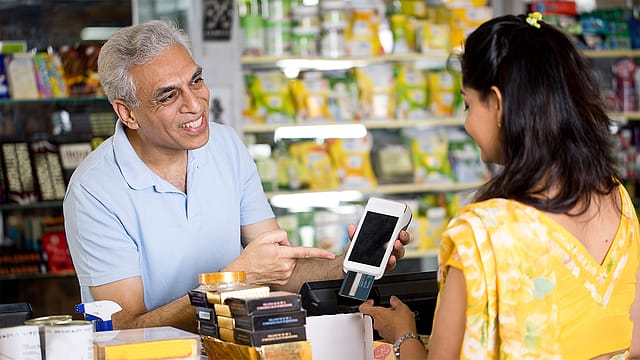
Punjab Sweet House in the western suburb of Bandra in Mumbai is known for its delicious samosas and jalebis. Deep-fried and crunchy, the jalebis are far from healthy, but they have delighted generations of Mumbaikars. Last week, a loyal customer walked out of the store disappointed, the elderly gentleman at the counter apologetically told her that due to the LPG crisis (thanks to the war) they make limited quantity. The lot they had made that particular day was sold within an hour.
Both samosas and jalebis cost an additional Rs 1-2 and the eatery has switched to coal as a cooking medium. Quality Picnic, a popular farsan (snack) store also in Bandra, has always given branded snack players a run for their money with freshly-made goodies. On a good-day it has nothing less than 15-30 SKUs of snacks, mithais and chocolates. However, in the last one week, a lot of its popular offerings have gone missing.
Among the worst impacted by the war-led fuel shortage is the FMCG sector. It may be more apparent with the restaurant sector as many of them have shut shop (due to unavailability of gas), but consumer product goods companies have also started reducing margins and discounts to the trade between 3%-5%, confirm distributors. “We have already been told to expect an increase in price of products like detergents and soaps by March 31 says,” says a Rajasthan-based FMCG distributor. “The price of LABSA for instance (a key ingredient in detergents), has increased from Rs 120 to Rs 200 per kg, so detergent prices will increase at least by 25%-30%,” he further explains.
Bhagirath Jalan, director of the Varanasi-headquartered Jalan’s Retail says there hasn’t been too much difference in margin structures, but distributors are pushing the retail chain to buy more on the pretext of an upcoming price hike. Though Jalan claims he is not stockpiling, what is bothering him is a 5%-10% increase in packaging costs. The retailer also sells private brands at his stores which gives him better margins and he is able to offer products at a more competitive price. But high packaging costs would make the private brands business not so viable.
“We have requested all our packaging vendors that the last lot they have given us should be in old prices,” says Jalan. In fact, the worst hit are the local brands who have already started to increase prices. “Local brands are getting more impacted because they source on a weekly or monthly basis. They don’t have volumes to twist their arms,” Jalan further adds.
Jalan believes that national brands are at an advantage due to their all-India presence. “They can transfer goods from one state to another whenever there is a shortfall,” he explains. Ironically, just three weeks ago the FMCG industry narrative was all about local and direct-to-consumer brands gaining muscle at the expense of their national peers. When GST 2.0 was announced in August last year, the national FMCG companies were confident of gaining lost turf from regional brands due to lower GST rates. GST of most FMCG products were slashed to 5% and the belief was of a level playing ground.
The regional or local brands didn’t lose out, in fact, they grew mightier. “The reverse migration that the FMCG giants were hoping for after lowering of GST rates actually didn’t happen,” Madan Sabnavis, chief economist, Bank of Baroda , had said in an interview with Fortune India a few days before the war has broken out.
The FMCG consumer hadn’t felt the need to migrate to a national brand. “If I am using a regional brand of chips or biscuits and I realise that there is nothing wrong in terms of the quality, I won’t feel the need to switch just because the national brand has also started offering more grammage. I don’t think national brands have significantly reduced prices to get a consumer to make the switch,” Sabnavis had explained.
“FMCG consumption is not manifesting through the traditional companies we were used to looking at. There are plethora of brands which are not necessarily coming from the biggies but are doing extremely well,” Sachchidanand Shukla, chief economist, L&T had said.
GST 2.0 Hasn’t Moved FMCG Needle
The West Asia war is impacting global supply chains and price increase across FMCG products seem imminent. While one wonders if the price relief passed on to the consumers post the announcement of GST 2.0 would get erased due to the war, the industry is divided about the positive impact of GST 2.0 on consumption. In fact, the Q3 results of most leading FMCG companies showed a marginal growth in volumes. For those who believed that the GST impact would show in the subsequent quarters, the war has played spoilsport. However, most think that GST 2.0 hasn’t moved the consumption needle.
“I feel the total India FMCG market had not been growing at the level what people had expected. Of course, the war has changed the dynamics entirely with availability becoming a challenge. Companies, especially the local ones are finding it challenging to manufacture,” says the chairman of a leading food company. In fact, Jalan of Jalan’s Retail in an interview with Fortune India in the month of February had said that his supermarket chain had grown by Just 3% last year. He attributed it to the lowering of the prices of essentials such as tuvar dal.
arhartuvar
The distributor from Rajasthan also had a similar observation. “The impact of GST wasn’t there in FMCG. A decrease in price can’t change one’s daily routine. Just because toothpaste is cheaper, you will not brush your teeth thrice a day,” he said.
Once the war ends it will probably be easier for the FMCG biggies to bounce back because of their financial might. The regional/local brands may take longer, but they are known for their resilience. They came back strong post the pandemic, their journey after the war may be even more exciting!