
LPG supply concerns spur surge in demand for induction cooktops and electric kitchen appliances
ADVERTISEMENT
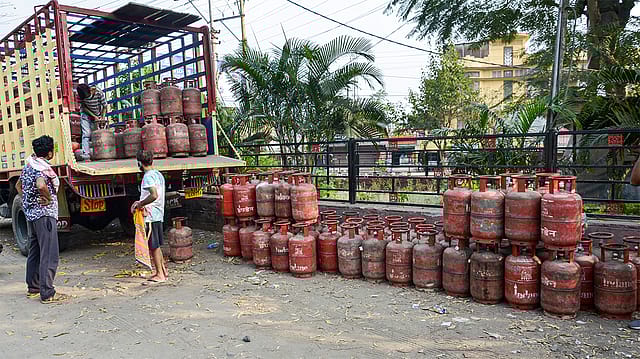
Concerns over cooking gas availability amid the ongoing conflict in West Asia are prompting households across several Indian cities to turn to electric kitchen appliances, triggering a sharp rise in demand for products such as induction cooktops, electric kettles, microwaves and air fryers.
Retailers and e-commerce platforms say the surge reflects consumers preparing for potential disruptions in LPG availability, prompting many households to adopt plug-in appliances as a backup for everyday cooking.
Demand spikes for induction and electric cooking alternatives
Online grocery platform bigbasket has recorded one of the sharpest spikes in demand. According to Seshu Kumar Tirumala, chief buying and merchandising officer at bigbasket, induction cooktops saw a fivefold increase in demand on March 10, followed by a 30-fold spike on March 11.
“In contrast, the rest of the kitchen appliance categories are growing within +10% of their usual business-as-usual growth levels, highlighting that the spike is largely concentrated around induction-based cooking alternatives,” Tirumala said. The trend, he added, reflects households increasingly exploring electric cooking options as a contingency during supply disruptions.
E-commerce platforms are witnessing a similar pattern. A Flipkart spokesperson said induction cooktops have rapidly shifted from being a lifestyle upgrade to an essential appliance in many homes.
“The prevailing global condition has led to the induction cooktop shifting from a ‘kitchen upgrade’ into a ‘survival necessity’ for many households. Sales of induction are trending at 25 times the usual levels over the last two days compared with the preceding three to four weeks, with some localised high-demand areas such as Delhi, Kolkata and parts of Uttar Pradesh seeing even higher spikes,” the spokesperson said.
The platform is also seeing strong traction in adjacent categories including electric cookers, kettles and air fryers, suggesting consumers are building alternative cooking arrangements to reduce dependence on LPG.
Large appliance retailers say the spike is also lifting demand for other convenience-led kitchen appliances. Shibashish Roy, CEO and managing director of Infiniti Retail Ltd (Croma), said households are increasingly adopting a combination of appliances to make everyday cooking faster and more flexible.
“For households looking to make everyday cooking more convenient, pairing induction cooktops with appliances like microwaves, air fryers and electric kettles can simplify meal preparation. These appliances offer quick and energy-efficient solutions for reheating, quick cooking and everyday kitchen tasks,” Roy said.
He added that the retailer has already seen an uptick in related categories. “Microwave sales, for instance, doubled compared to last week, while air fryers have maintained a steady run rate with spikes during holidays, reflecting a broader shift towards faster and hassle-free cooking solutions.”
Appliance makers see long-term shift towards convenience cooking
Manufacturers say the current demand surge is building on a broader structural shift in the kitchen appliance market, driven by evolving urban lifestyles and the growing popularity of quick meal solutions.
According to Anup Bhargava, Product Group Head – Microwave Ovens at the Appliances business of Godrej Enterprises Group, the microwave oven category has grown at around 8% over the past two years, supported by rising demand for convenient cooking appliances.
“Urban consumers are increasingly looking for kitchen appliances that enable faster and more convenient cooking experiences,” Bhargava said. The category is also witnessing a channel shift, with modern trade, digital retail chains and e-commerce contributing nearly 60% of total sales as consumers increasingly research and purchase appliances through organised and digital platforms.
Within the segment, solo microwaves used primarily for reheating account for about 15% of the market, while grill models contribute around 10%. Convection microwaves—which support baking, steaming, grilling and reheating—continue to dominate the category. The overall microwave market in India is estimated at around 1.4 million units.
Industry executives say the recent LPG supply concerns could further accelerate the adoption of electric cooking appliances, particularly in urban households that are increasingly building multi-appliance kitchens designed for speed, convenience and reliability.