
Mumbai water curbs may threaten 1.43 lakh housing delivery pipeline: ANAROCK
ADVERTISEMENT
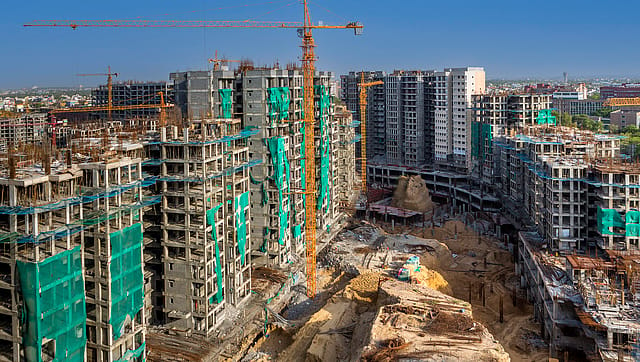
Mumbai’s decision to tighten water usage amid low reservoir levels could pose risks to the city’s ambitious housing delivery pipeline for 2026, even as the wider Mumbai Metropolitan Region (MMR) remains relatively insulated from the immediate impact, according to real estate consultancy ANAROCK.
The Brihanmumbai Municipal Corporation (BMC) has imposed a series of water conservation measures effective June 17 after water stock in Mumbai’s seven reservoirs fell to just 10.35% of total capacity. Citing a delayed monsoon linked to El Niño conditions, the civic body has suspended all water connections to ongoing construction sites within Greater Mumbai and halted approvals for fresh connections until further notice.
The restrictions also include a 20% reduction in water supply to industrial, commercial and sports facilities, closure of water supply to swimming pools, and continuation of a 10% citywide water cut that has been in force since May 15.
According to Dr. Prashant Thakur, Executive Director and Head of Research & Advisory at ANAROCK Group, Mumbai accounts for nearly 69% of the housing units scheduled for completion across MMR this year.
“ANAROCK Research shows that the entire MMR is slated to witness completion of around 2.07 lakh housing units in 2026, the highest delivery pipeline in a decade. Of this, Mumbai alone accounts for approximately 1.43 lakh units. The direct construction disruption arising from BMC’s water restrictions can therefore affect several key micro-markets, including South Mumbai, Bandra-Kurla Complex (BKC), Andheri, Borivali and Mulund,” Thakur said.
However, he noted that construction activity may not come to a halt immediately because most sites depend on groundwater and non-potable water sources for core construction work. BMC water is primarily used for labour welfare facilities and drinking purposes at project sites.
Industry experts believe the more immediate challenges may emerge in labour welfare compliance and productivity, particularly if developers face difficulties in ensuring adequate water availability for workers. The suspension of fresh water connections could also delay approvals and launches of new projects until reservoir levels improve.
The broader MMR market, which spans over 6,300 sq km across eight municipal corporations outside BMC limits, remains largely unaffected for now. Municipal bodies such as Thane, Navi Mumbai, Kalyan-Dombivli, Mira-Bhayandar and Vasai-Virar have not announced similar restrictions.
ANAROCK estimates that nearly 6.86 lakh housing units are currently under construction across MMR, with Mumbai accounting for more than 75% of the total, or around 5.15 lakh units. The region’s unsold inventory stood at approximately 1.86 lakh units in the first quarter of 2026, of which Mumbai represented around 1.40 lakh units.
The consultancy cautioned that the situation could worsen if reservoir stress spreads across neighbouring municipal corporations and prompts similar water restrictions elsewhere in MMR.
“If other MMR civic bodies face comparable water shortages and impose similar curbs, the impact on the wider 2.07 lakh-unit delivery pipeline could become significant,” Thakur said.
The warning comes at a time when housing supply continues to rise. New residential launches across India’s top seven cities increased 10% in 2025, while unsold inventory remained close to six lakh units. MMR emerged as the country’s strongest-performing residential market. In the first quarter of 2026, housing launches across the top seven cities rose 26% year-on-year, adding pressure on developers to maintain project completion schedules.
Thakur said the current restrictions remain a localised risk and are unlikely to materially disrupt the overall MMR housing pipeline because a large share of development activity is concentrated in peripheral municipal zones outside BMC’s jurisdiction.
“However, if the monsoon weakens further and other civic bodies adopt similar restrictions, coupled with ongoing supply chain disruptions arising from the West Asia conflict, housing deliveries in the second half of 2026 could face meaningful pressure,” he said.
He added that a prolonged disruption could potentially mirror the pandemic period, when only 46% of planned housing completions were ultimately delivered.