
₹51,383 crore maritime plan: Govt targets 62 vessels, 2.85 million GT capacity in FY27
ADVERTISEMENT
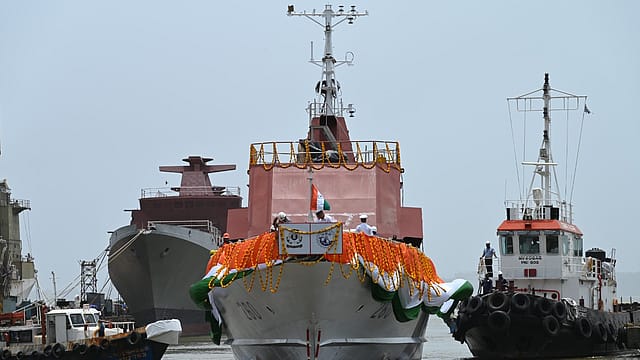
The Centre has drawn up an ambitious ₹51,383 crore plan to expand the country’s shipping capacity, targeting the addition of 62 vessels in FY2026–27 as part of a broader push towards self-reliance in the maritime sector.
The move, which is expected to add 2.85 million gross tonnage (GT) capacity, was outlined by Union Minister for Ports, Shipping and Waterways Sarbananda Sonowal following a high-level inter-ministerial review of global maritime risks, including developments around the Strait of Hormuz.
The review brought together officials from key ministries, oil public sector undertakings, and maritime authorities to assess cargo flows, vessel availability and operational preparedness amid evolving geopolitical challenges.
Fleet expansion to bolster trade resilience
Flagging the need for urgent capacity augmentation, the minister called for expanding the fleet across critical segments including container vessels, LPG carriers, crude oil tankers and green tugs. The government is also reviewing a proposed joint venture involving the Shipping Corporation of India and oil PSUs to acquire 59 vessels.
Officials indicated that broad-basing the fleet mix—along with adding dredgers and specialised tankers—will be key to ensuring supply chain continuity during global disruptions. The push also aligns with emerging energy requirements, including the transportation of ammonia and other future fuels.
White paper to outline gaps and roadmap
In a bid to accelerate execution, the minister has directed departments to prepare a concise, actionable white paper identifying gaps, setting clear targets and outlining a time-bound roadmap for the sector. The exercise will involve coordination with ministries handling petroleum, chemicals and commerce, given their direct linkages to maritime logistics.
The proposed framework is expected to form the basis for the next round of inter-ministerial consultations, with a focus on delivering outcome-oriented policy interventions.
Focus on safety, coordination and competitiveness
The Centre also underscored the need to maintain heightened vigilance in sensitive maritime zones, emphasising that the safety of Indian seafarers remains a priority.
With global trade routes facing periodic disruptions, the government’s renewed focus is on strengthening fleet capacity, shipbuilding capabilities and port infrastructure, while ensuring closer coordination across stakeholders to enhance competitiveness in global shipping.