
Barrier-less tolling to save ₹6,000 crore annually, cut 250 crore litres fuel use: Nitin Gadkari
ADVERTISEMENT
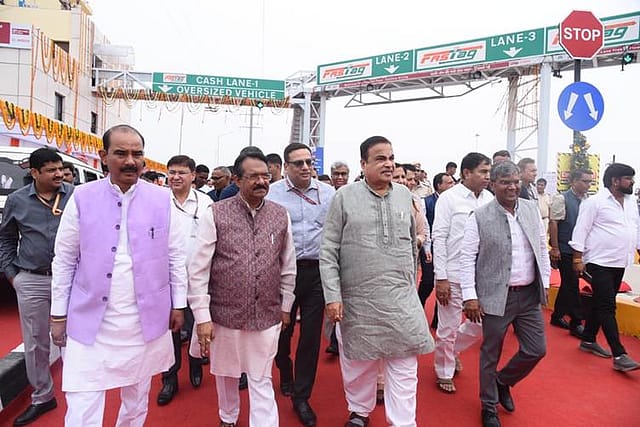
India’s highway network is set for a major technological overhaul with the rollout of the Multi-Lane Free Flow (MLFF) tolling system, which the government estimates could save up to ₹6,000 crore annually in operational costs while sharply reducing congestion and fuel consumption on national highways.
Launching the country’s first barrier-less toll plaza at the Mundka–Bakkarwala stretch of Urban Extension Road-II (UER-II) in the National Capital Region, Union Road Transport and Highways Minister Nitin Gadkari said the new tolling mechanism would enable uninterrupted vehicular movement, reduce logistics costs and support cleaner mobility.
The MLFF system integrates Automatic Number Plate Recognition (ANPR) technology with FASTag-based electronic toll collection, allowing vehicles to pass through toll plazas without stopping. The move is expected to significantly reduce waiting time, fuel wastage and traffic bottlenecks across key highway corridors.
Lower operational costs, higher efficiency
Highlighting the economic gains from the transition, Gadkari said toll collection operations, which earlier involved expenditure of nearly 15 per cent, are expected to see costs decline to around 3-4 per cent under the MLFF framework.
“The reduction in operational costs can potentially generate annual savings of around ₹5,000-6,000 crore,” the minister said, adding that technology-led reforms have already helped improve toll revenues substantially over the years.
The minister added that the barrier-less system would offer commuters “zero waiting time”, smoother travel and lower transportation costs, while also strengthening transparency and efficiency in toll operations.
Earlier this month, the National Highways Authority of India (NHAI) operationalised the MLFF-based tolling system at the Chorayasi Toll Plaza on the Surat–Bharuch section of NH-48 in Gujarat.
Fuel savings and lower emissions
According to the Ministry of Road Transport and Highways, the MLFF system could help save nearly 250 crore litres of fuel annually and reduce around 81,000 tonnes of carbon emissions, particularly benefiting pollution-hit regions such as Delhi-NCR.
Gadkari said the government remains committed to adopting advanced global technologies for highway infrastructure while balancing sustainability and commuter convenience.
He also highlighted the Centre’s “waste to wealth” initiatives in road construction, noting that processed municipal waste from Delhi is being used in projects such as the Dwarka Expressway and the Delhi-Mumbai Expressway. Bio-bitumen produced from crop residue and waste materials is also increasingly being used to reduce import dependence and environmental impact.
AI-based monitoring, stricter enforcement
The minister said Artificial Intelligence-enabled systems integrated with MLFF would improve traffic monitoring and highway management. Under the new framework, motorists with insufficient FASTag balance or invalid tags will receive electronic notices and may face double toll charges if payments are not cleared within 72 hours.
Repeated non-payment could also lead to FASTag blacklisting and restrictions on vehicle-related services through the VAHAN platform.
Gadkari urged citizens and media organisations to support the transition towards technology-driven highway reforms aimed at improving commuter convenience, reducing pollution and strengthening national infrastructure.