
FDI limit in PSBs to remain at 20%, won’t increase to 49%: MoS Finance
ADVERTISEMENT
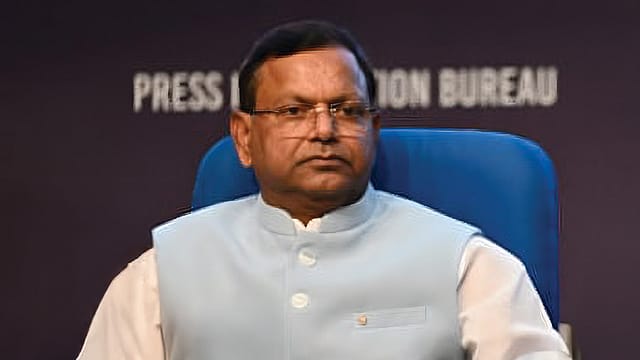
The government has no plans to raise the Foreign Direct Investment (FDI) limit in Public Sector Banks (PSBs) from the current 20% to 49%, Minister of State for Finance Pankaj Chaudhary said on Tuesday.
The minister of state was responding to a written question in Rajya Sabha whether the government has proposed raising the FDI limit in PSBs to 49%.
At present, FDIs investment up to 20% in PSBs and 74% in private banks is allowed. In case of private sector banks, up to 49% of FDI is through the automatic route and beyond 49% and up to 74%, government route is applicable.

Apart from that, according to the Master Directions on ‘Acquisition and holding of shares or voting rights in banking companies’, issued by the Reserve Bank of India (RBI), any share acquisition that result in the person owning or controlling 5% or more of the paid-up capital of the bank, requires prior RBI approval.
No decline in govt holding in PSBs since 2020
In a separate response, MoS Finance Chaudhary said that the number of shares held by the union government in PSBs have not declined since 2020. However, the minister stated, the respective percentage of shareholding of the union government has declined in some of the banks due to raising of capital through fresh issuance of shares by those banks.
Such capital raising reduces fiscal burden on the Government and strengthens the balance sheet of banks, Chaudhary stated.
The MoS Finance also said that banks are required to ensure compliance of minimum public shareholding requirement of 25% under Rule 19A of the Securities Contracts (Regulation) Rules, 1957 and Regulation 38 of SEBI(Listing Obligations and Disclosure Requirements) Regulations, 2015.
Apart from that, according to the New PSE policy for Atmanirbhar Bharat issued by the DIPAM, he said, "recommendations shall be made by NITI Aayog with regard to Central PSEs under strategic sectors, which includes the Banking, Insurance and Financial Services Sector, and recommendations shall be considered and Central PSEs to be, inter alia, retained under Government control or considered for privatisation or merger or subsidiarisation with another PSE shall be approved by an Alternative Mechanism that has been approved by an Alternative Mechanism that has been approved by the Government."
This statement by the MoS Finance essentially means that the government will never fully exit the sector, it will always keep at least one or two big public-sector entities under full government ownership and control. Beyond the one or two large public sector banks the government decides to keep forever, every other public sector bank is eligible for privatisation or merger, and that decision will be taken only after NITI Aayog recommends and the Alternative Mechanism (usually a small group of senior ministers) approves.
It is pertinent to mention that the ease of access to banking services in rural and semi urban areas has been strengthened by ensuring that each of the inhabited village in the country is covered within banking outlet (Bank branch/ BC/IPPB) within a radius of 5-kilometre, said MoS Finance Pankaj Chaudhary while concluding his response in the Rajya Sabha.