
Fortune India Explainer: IEA’s record oil reserve release amid Strait of Hormuz crisis - Will India benefit?
ADVERTISEMENT
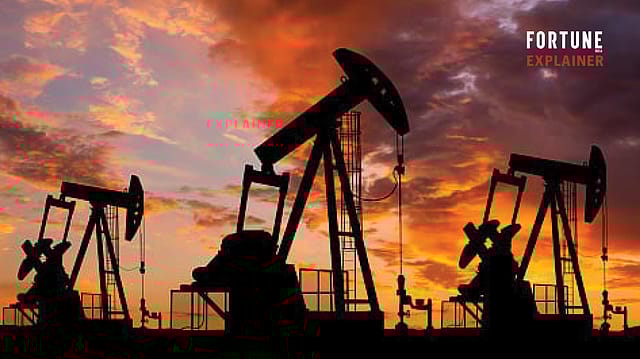
The global oil market is facing one of its most serious disruptions in decades after Iran’s Islamic Revolutionary Guard Corps (IRGC) effectively halted tanker traffic through the Strait of Hormuz, one of the world’s most critical energy chokepoints.
The narrow waterway between Iran and Oman handles a huge share of global oil trade. With tanker movements disrupted, fears of a major supply shock have pushed oil prices sharply higher.
In response, the International Energy Agency (IEA) has announced a record coordinated release of about 400 million barrels of oil from strategic reserves held by its member countries. The move is meant to inject supply into global markets and prevent prices from spiralling further.
The decision is more than double the 182 million barrels released in 2022 after Russia invaded Ukraine, making it the largest coordinated release in the agency’s history.
However, while the move may stabilise markets temporarily, its effectiveness will depend on how long the disruption in the Strait of Hormuz continues.
Why the Strait of Hormuz matters
The Strait of Hormuz is widely considered the world’s most important oil transit chokepoint. Nearly all oil exports from major Gulf producers such as Saudi Arabia, Iraq, Kuwait, and the UAE pass through this route before reaching global markets.

Any disruption in the strait therefore quickly affects global supply and prices.
Shipping risks and attacks on tankers have already forced several shipping companies to avoid the route, raising insurance costs and delaying shipments.
Can the IEA’s 90-day oil reserve rule prevent a global energy crisis?
The IEA was created in 1974 after the Arab oil embargo to help major consuming nations coordinate responses to supply shocks. Member countries are required to maintain strategic petroleum reserves equivalent to at least 90 days of net imports, which can be released during emergencies. Collectively, IEA members hold one of the world’s largest emergency stockpiles.
The 400-million-barrel release is designed to offset lost supply and send a strong signal to markets that governments are ready to act collectively.
Will the crisis trigger an oil shock for India
India is among the countries most vulnerable to a prolonged disruption in the Strait of Hormuz. The country imports about 85% of its crude oil needs, making it the world’s third-largest oil importer after the US and China. A large share of these imports comes from the Gulf region.
How much relief can global oil stockpile releases offer India
Even if India does not receive oil directly from the released reserves, the move could still help the country in several ways. The additional supply in the global market can help moderate price spikes. For India, this is crucial because crude prices directly affect the country’s import bill.
Analysts estimate that every $10 increase in crude prices can raise India’s annual import bill by roughly $15 billion, highlighting the sensitivity of the economy to oil price swings.
If Europe and some Asian buyers replace Middle Eastern crude with oil released from reserves, it may free up some Gulf barrels that can still flow to India and other Asian consumers.
Oil shocks often trigger broader macroeconomic stress in India. Lower price volatility helps limit inflation and supports economic stability. Despite the potential benefits, India faces several limitations in accessing emergency supplies.
India is an associate member of the IEA, meaning it does not automatically participate in coordinated reserve releases. The government has indicated it prefers to preserve its own strategic reserves for extreme emergencies.
A large share of emergency oil releases typically comes from the United States Strategic Petroleum Reserve. However, transporting crude from the US Gulf Coast to India takes around 40–45 days, compared with 7–10 days for shipments from the Middle East. This makes US emergency supplies less effective for immediate supply shortages.
India’s strategic petroleum reserve capacity currently covers only a few weeks of imports, much lower than the 90-day stockpile maintained by many IEA members.
This means India remains vulnerable if the Hormuz disruption continues for an extended period.
The China factor: Will Beijing release reserves?
Another critical variable in the global oil market is China. China is not an IEA member but holds one of the world’s largest strategic oil stockpiles. Estimates suggest China’s reserves are close to 900 million barrels, covering roughly 70–80 days of imports.
However, Beijing has so far shown caution about releasing these reserves. Chinese authorities have reportedly resisted calls from refiners to tap commercial reserves, suggesting the government may want to conserve stocks in case the crisis escalates further. China relies heavily on Middle Eastern oil, with roughly 60% of its crude imports coming from the region, making it cautious about depleting emergency reserves too quickly.
What is the bigger picture
The IEA’s record reserve release is meant to calm markets and buy time for governments to resolve the crisis in the Gulf.But strategic reserves cannot fully replace the massive volumes that normally pass through the Strait of Hormuz every day. For India, the biggest benefit from the move will likely come through lower global oil prices rather than direct supply access.
If tanker traffic in the strait remains disrupted for long, however, oil markets could face prolonged volatility and countries heavily dependent on Gulf crude, including India, may remain exposed to energy supply risks.