
Gadkari flags rural job crisis, pushes biofuel shift; warns of ₹22 lakh crore fuel import burden
ADVERTISEMENT
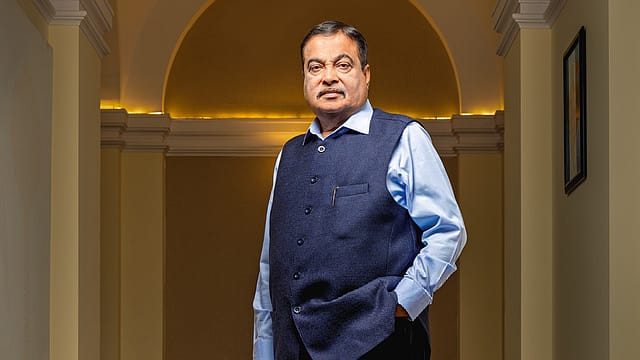
Union Road Transport and Highways Minister Nitin Gadkari on Wednesday underlined the urgent need to generate large-scale employment opportunities in rural and tribal regions, warning that lack of livelihood options is driving sustained migration to India’s metro cities.
Speaking at the second edition of the Save the Earth Conclave, Gadkari noted that the economic condition of farmers and rural workers remains a serious concern. He stated that youth from villages are increasingly moving to urban centres such as Delhi, Mumbai, Bengaluru, Kolkata, and Pune, not by choice, but due to compulsion driven by limited opportunities at home.
“Youth, farmers and workers from villages are migrating due to lack of employment opportunities. We should create jobs in villages and tribal areas,” he said, adding that the issue is closely tied to agrarian distress, including reported farmer suicides in regions such as Vidarbha in Maharashtra.
Biofuel push at the centre of rural transformation agenda
Gadkari called for a structural shift in agriculture, suggesting farmers should move beyond being only “annadata” (food providers) to becoming “urjaadata” (energy providers). He stressed the need to integrate agriculture with the energy economy through biofuels and alternative fuels, positioning rural India as a key node in India’s clean energy transition.
The minister also flagged India’s heavy dependence on imported fossil fuels, estimating annual imports at around ₹22 lakh crore, and linking it to both economic strain and environmental impact. “We import fossil fuels worth ₹22 lakh crore, which is also causing pollution,” he said, advocating a stronger push for domestic alternative fuel production.
Gadkari further pointed to global commodity dependencies that shape domestic farm prices, noting that sugar, oil, corn, and soybean prices are influenced by international markets in countries such as Brazil, Malaysia, the US and Argentina. He also observed that India’s minimum support prices (MSPs) are often higher than prevailing market rates, reflecting deeper structural challenges in agricultural competitiveness.
Highlighting rural industrial potential, he said bamboo cultivation alone could generate up to 5 crore jobs, positioning it as a high-impact opportunity for green employment creation.
A day earlier, at the Indian Federation of Green Energy’s Green Transport Conclave, Gadkari intensified his push for clean fuel transition, stating that India should target 100% ethanol blending in petrol in the near future. He said global energy disruptions and rising import dependence make self-reliance in fuels increasingly critical.
He flagged instability in West Asia, noting that geopolitical tensions in the region expose the fragility of global oil supply chains. For energy-importing economies like India, he said such disruptions reinforce the need to diversify fuel sources and accelerate adoption of ethanol and biofuels as a strategic energy security measure.