
Gadkari pushes alternative fuels, waste-to-wealth tech to cut infra costs and boost efficiency
ADVERTISEMENT
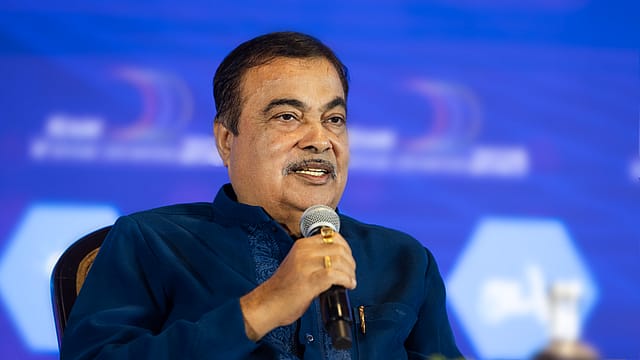
Union Road Transport and Highways Minister Nitin Gadkari has called for an accelerated shift towards alternative fuels, advanced construction technologies and waste-to-wealth solutions to reduce project costs and improve efficiency in India’s infrastructure sector.
Speaking at the 17th CIDC Vishwakarma Awards in New Delhi, Gadkari outlined a roadmap that places innovation, sustainability and faster execution at the centre of the country’s infrastructure build-out, even as India targets long-term growth under the Viksit Bharat 2047 vision.
“Innovation, entrepreneurship, science, technology and skilled practices are essential for converting knowledge into wealth,” Gadkari said, adding that the construction sector is evolving rapidly with continuous research and technological advancements.
The minister stressed that the construction ecosystem must increasingly adopt biofuels, biomass-based energy sources and other alternatives to conventional fuels. “Such technologies can reduce dependence on traditional fuels while lowering operational costs,” he noted. He also highlighted the growing relevance of recycling-led solutions, including the use of plastic waste and discarded tyres in road construction, citing successful pilot projects in Nagpur as proof of concept.
Gadkari underscored that cost optimisation in infrastructure is not merely a function of scale but of process efficiency. “Adopting modern technologies and improving processes can significantly enhance efficiency and reduce construction costs,” he said, while calling for faster decision-making and better project planning.
A key concern flagged by the minister was the persistent delays arising from incomplete land acquisition and pending statutory clearances. “Completing land acquisition and clearances in advance is critical for smooth execution,” he said, adding that such bottlenecks have historically impacted timelines and strained contractors’ finances.
In a shift from cost-centric tendering, Gadkari also called for greater emphasis on quality-based evaluation in project awards. “Quality and performance must be given higher priority alongside cost considerations,” he said.
Highlighting the role of collaboration, the minister urged stronger partnerships between industry, academia and research institutions. “Research-based, futuristic technologies and innovation will be key to building next-generation infrastructure,” he said.
Pointing to the global footprint of Indian companies, Gadkari noted, “Indian infrastructure firms are executing projects across markets such as the Middle East and Africa, and maintaining high quality standards will further strengthen their global reputation.”
He expressed confidence that engineers and industry stakeholders will play a pivotal role in building world-class infrastructure as India advances towards its long-term development goals.