
NHAI orders FASTag banks to verify vehicle data, flags blacklisting for mismatches ahead of MLFF rollout
ADVERTISEMENT
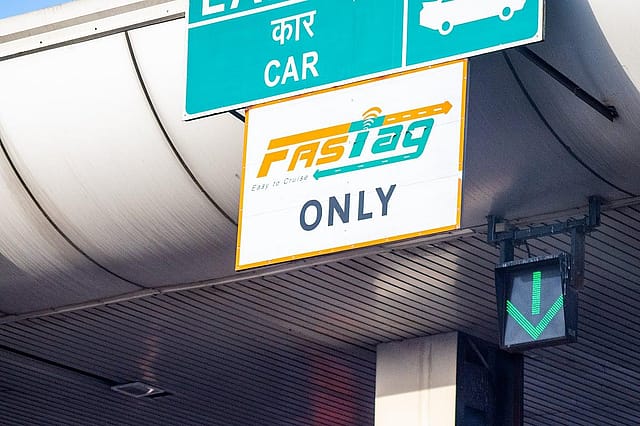
The National Highways Authority of India (NHAI) has directed FASTag issuer banks to immediately validate Vehicle Registration Numbers (VRNs) linked to FASTags, stepping up efforts to improve data accuracy across India’s electronic tolling ecosystem.
The directive follows multiple complaints of mismatches between VRNs captured by FASTag readers and those displayed on vehicle number plates—an issue that could weaken enforcement and potentially lead to toll evasion.
Push to curb revenue leakage, tighten enforcement
According to the official communication, discrepancies in vehicle identification data pose risks not only to revenue collection but also to regulatory compliance under the Motor Vehicles Act, 1988. Incorrect mapping of FASTags to vehicles can enable misuse, complicate enforcement, and trigger penal provisions.
To address this, banks have been asked to carry out urgent verification of their FASTag portfolios and blacklist tags linked to invalid or incorrect VRNs in line with government guidelines.
The move signals a sharper enforcement stance as tolling systems become increasingly automated and data-driven.
Legacy FASTags under scrutiny
A significant portion of the mismatches has been traced back to FASTags issued before integration with the VAHAN database, the government’s central vehicle registry. During the early rollout phase of FASTag, verification processes were more manual, leaving room for inconsistencies in vehicle records.
Since then, tighter integration with VAHAN has improved data validation, but legacy tags continue to pose challenges. Industry stakeholders note that cleaning up this data is critical to ensuring seamless toll operations and preventing misuse.
Critical ahead of barrier-free tolling transition
The clean-up drive comes at a crucial time as India prepares to transition to Multi-Lane Free Flow tolling, a system that enables barrier-less toll collection using advanced tracking and imaging technologies.
Under MLFF, enforcement mechanisms—such as issuance of electronic notices to violators—will rely heavily on accurate vehicle identification. Any gaps in data integrity could undermine the effectiveness of the system.
India’s FASTag-based ETC system, mandated nationwide in 2021, has already transformed toll collection by reducing wait times and improving efficiency. However, as the ecosystem evolves toward fully digital, free-flow tolling, ensuring high-quality, verified data has become a priority.
With this directive, NHAI aims to reinforce transparency, curb leakages, and enhance user experience across national highways—laying the groundwork for a more robust and technology-driven tolling framework.