
RBI to remain proactive to ensure sufficient liquidity in banking system: Governor Malhotra
ADVERTISEMENT
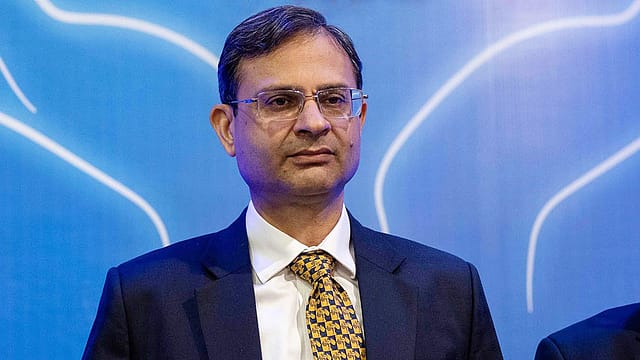
Reserve Bank of India (RBI) Governor Sanjay Malhotra on Wednesday said the central bank will remain proactive and pre-emptive in liquidity management, ensuring sufficient liquidity in the banking system to meet the productive requirements of the economy.
“To ensure sufficient liquidity in the banking system, the Reserve Bank proactively undertook durable and transient liquidity measures,” Malhotra said while announcing the decisions of FY27’s first Monetary Policy Committee (MPC) meeting.
The governor further said that the system liquidity, as measured by the net position under the Liquidity Adjustment Facility (LAF), averaged a surplus of ₹2.3 lakh crore per day since the last MPC meeting. During this period, the weighted average call rate (WACR) traded in the lower half of the policy corridor, except toward end-March.
“Short-term money market rates, especially those of commercial papers and certificates of deposit, remained elevated. G-Sec yields remained largely rangebound with a softening bias in February but firmed up thereafter on account of the ongoing conflict, hardening global yields and the rise in energy prices. Transmission in the credit market remained satisfactory,” he said.
Financial health of SCBs, NBFCs continue to remain healthy
Malhotra said the system-level financial parameters related to capital adequacy, liquidity, asset quality and profitability of Scheduled Commercial Banks (SCBs) continue to remain healthy. “Similarly, the system-level parameters of NBFCs too are sound, with adequate capital position and improved GNPA ratios,” he said.
“As per the latest available data, credit from all sources grew at 14.3% (y-o-y) as compared to 11.7% (y-o-y) a year ago. Bank credit growth maintained its upward trajectory, and remained broad-based,” Malhotra said.
Measures proposed to promote ease of doing business
During his speech, Governor Malhotra announced three measures proposed to promote ease of doing business, rationalising regulatory processes, and enhancing credit access for micro, small and medium enterprises (MSMEs).
First, the RBI has proposed to streamline the functioning of bank boards by revising and rationalising the matters that require their attention. The move follows a comprehensive review of existing instructions and is expected to allow boards to utilise their time more effectively on strategic issues.
Second, the RBI has completed a major consolidation exercise of its supervisory instructions. This follows an earlier effort where over 9,000 regulatory instructions were merged into 238 Master Directions. The latest measure aims to simplify supervisory guidelines, making them easier for financial institutions to interpret and implement.
Third, in a significant relief for MSMEs, the RBI proposed to do away with the requirement of due diligence for onboarding them onto Trade Receivables Discounting System (TReDS) platforms.
The RBI kept key policy rates unchanged and retained its “neutral” stance, aiming to balance growth concerns with rising inflation risks. The MPC unanimously decided to hold the repo rate at 5.25%. The Standing Deposit Facility SDF rate remained at 5.0% while the Marginal Standing Facility MSF rate and the bank rate were unchanged at 5.50%.