
West Asia conflict may slow India’s toll revenue growth to 5-7% in FY27, but inflation-linked hikes could trigger rebound: Crisil
ADVERTISEMENT
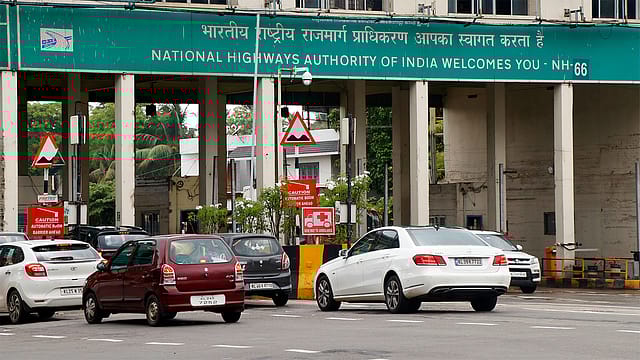
India’s toll road operators are staring at a temporary slowdown in revenue growth as geopolitical tensions in West Asia begin to weigh on commercial traffic movement and freight activity. According to a Crisil Ratings study covering 91 toll assets spanning nearly 10,000 km — around 60% of privately operated toll concessions — toll collections are expected to grow 5-7% this fiscal, down 150-200 basis points from earlier momentum.
The moderation is being driven by softer commercial vehicle traffic, which contributes nearly 75% of toll revenues and remains closely linked to industrial production, mining and construction activity. Crisil noted that FASTag toll collections recorded sequential degrowth in March and April, signalling emerging pressure on freight movement amid rising global uncertainty triggered by the West Asia conflict.
Inflation-linked toll hikes could cushion FY28 growth
Despite near-term pressure, rating analysts expect the slowdown to be short-lived. Toll collections are projected to rebound sharply to 8-10% growth next fiscal as higher wholesale inflation this year feeds into annual toll revisions. Most road projects awarded after 2008 are entitled to a fixed 3% annual toll increase plus 40% linkage to WPI inflation, creating a built-in hedge against inflationary shocks.
Crisil estimates traffic growth itself may remain subdued at 2-4% in the near term, implying that tariff revisions — rather than volume expansion — will become the primary driver of revenue acceleration in FY28.
Passenger vehicle traffic, meanwhile, continues to remain resilient. Driven by rising vehicle ownership, expanding expressway connectivity and improved travel efficiency, passenger traffic has outpaced commercial vehicle growth in recent years and remains relatively insulated from geopolitical disruptions.
InvIT structures help shield credit profiles
The report also highlights the increasing role of Infrastructure Investment Trusts (InvITs) in stabilising the sector. More than 80% of the sampled assets are housed under InvITs or pooled structures, allowing portfolio diversification to offset weakness in individual roads affected by traffic diversion, monsoon disruptions or feeder-route bottlenecks.
Around one-fourth of toll assets witnessed traffic decline over the past two fiscals, with newer highways and expressways diverting traffic away from older stretches. Yet, Crisil expects debt service coverage ratios to remain healthy at around 1.5 times over the next two years due to controlled leverage and stable operating performance.
The agency also flagged the impact of the annual pass scheme introduced for non-commercial passenger vehicles from August 2025, which shaved 5-7% off toll collections in the final quarter of FY26. However, compensation mechanisms from authorities have so far prevented any material hit to concessionaire cash flows.