
Lenskart faces backlash over grooming policy; CEO clarifies, ex-staff claims spark credibility questions
ADVERTISEMENT
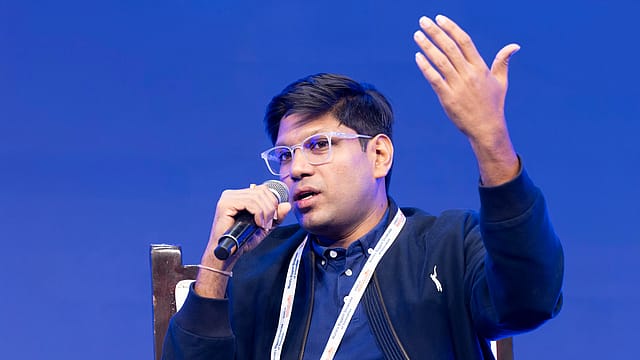
Eyewear retailer Lenskart is facing backlash over its workplace grooming guidelines after a viral internal document allegedly restricting religious symbols triggered outrage, even as founder and CEO Peyush Bansal issued clarifications and the company released a revised policy.
The controversy began earlier this week after a document circulating online suggested restrictions on symbols such as bindi, tilak and kalawa, while allowing others under certain conditions — sparking allegations of religious bias and calls for a boycott.
CEO calls document ‘outdated’, admits lapse
Responding to the backlash on April 15, Bansal said the document was “inaccurate” and did not reflect current guidelines, asserting that Lenskart has “no restrictions on any form of religious expression.”
“Our grooming policy has evolved over the years and outdated versions do not represent who we are today,” he said, while acknowledging that the situation had caused confusion and concern.
In a follow-up clarification, Bansal admitted that the document contained “an incorrect line about bindi/tilak that should never have been written”, adding that it had been removed internally in February, before the issue became public.
Employee claims challenge company version
However, the company’s explanation has been challenged by individuals claiming to be former employees, raising questions about implementation on the ground.
One such claim, which gained traction on social media and was highlighted through community notes, alleged that store-level audits penalised staff for wearing religious symbols, including kalawa, as recently as October 2024.
While these claims remain unverified, they have added a layer of credibility risk for the company, shifting the narrative from a documentation lapse to a potential gap between policy and practice.
Company issues apology, publishes new guidelines
On April 18, Lenskart issued a detailed public statement and released a standardised in-store style guide, explicitly allowing all forms of religious expression, including bindi, tilak, sindoor, kalawa, hijab and turban.
“If any version of our workplace communication caused hurt… we are deeply sorry,” the company said, adding that it would ensure all future policies and training materials reflect these values.
Bansal also took personal responsibility, stating that the lapse should have been identified earlier and that internal review mechanisms were being strengthened.
The controversy has evolved beyond the initial document leak, with the focus now shifting to whether company practices aligned with its stated values.
While Lenskart has moved quickly to issue clarifications and publish revised guidelines, the emergence of employee accounts has complicated the narrative, prolonging the backlash.