
OMCs incurred ₹74,781 crore losses on fuel sales during West Asia crisis: Hardeep Singh Puri
ADVERTISEMENT
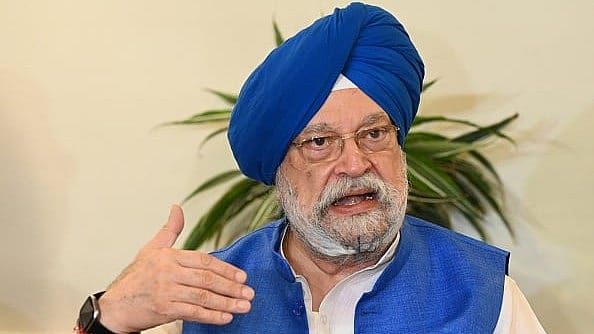
State-run oil marketing companies (OMCs) incurred losses of ₹74,781 crore on the sale of petrol, diesel, and LPG up to June 30 after keeping retail fuel prices below cost despite a sharp spike in global crude oil prices triggered by the West Asia conflict, Petroleum Minister Hardeep Singh Puri said on Thursday.
The minister said international crude oil prices have eased in recent weeks, but oil companies are still processing crude purchased when prices were at their peak during the conflict. "Oil companies typically procure crude oil around two months in advance. The crude being refined today was largely purchased in April or early May, when international prices were significantly higher," he said.
Fuel price cut depends on sustained decline in crude
Responding to a question on whether petrol and diesel prices would be reduced, Puri said it would be reasonable to consider a price cut if global crude prices remain low over the coming weeks.
Crude oil prices began declining only in the second half of June after the US and Iran reached an agreement to de-escalate the conflict in West Asia, leading to a correction in international energy markets.
India fared better than many countries
Defending the government's decision to maintain domestic fuel prices, Hardeep Singh Puri said India had seen a much smaller increase in petrol prices than several developed and neighbouring countries during the recent crude price rally.
Citing data for the period between June 22 and June 26, he said petrol prices increased by 17.74% in France, 19.05% in Germany, and 18.39% in Italy.
Fuel prices in neighbouring countries
Among India's neighbours, petrol prices rose by 39.77% in Pakistan, 36.66% in Sri Lanka, 20.3% in Nepal, and 42.69% in Bangladesh during the same period.
Puri said these comparisons underscore India's efforts to shield consumers from the full impact of global crude oil volatility despite significant financial losses borne by oil marketing companies. He also dismissed concerns over India's strategic petroleum reserves, saying the country's energy security should be assessed in the context of its unique consumption patterns and procurement strategy rather than storage capacity alone.