
Digital health and precision medicine: A new moment for women’s health
ADVERTISEMENT
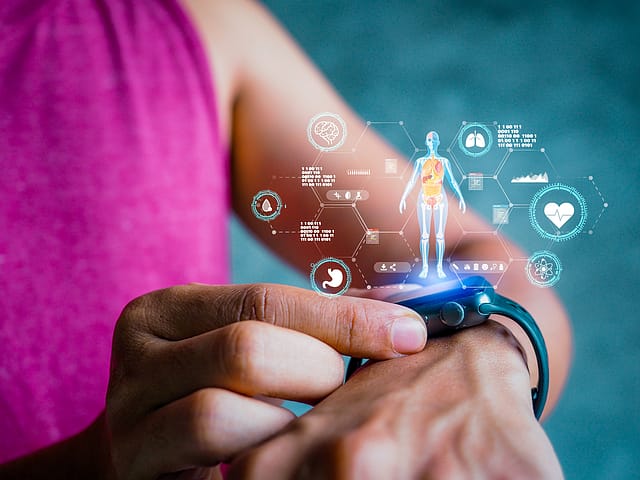
In my work with the G20 EMPOWER alliance, one idea consistently emerges in discussions with global leaders: advancing women’s economic participation and leadership requires a strong commitment to women’s health.
The connection is undeniable. When women are unwell, families feel it, workplaces feel it, and economies feel it. Yet across the world, women often reach healthcare systems later than they should—not because they do not value their health, but because they are balancing many roles at once: professionals, caregivers, mothers, and anchors of their families.
As a result, health often becomes a lower priority.
Non-communicable diseases account for nearly 60% of all deaths in India
At the same time, we are witnessing a profound shift in the global disease landscape. Non-communicable diseases now account for nearly 60% of all deaths in India, driven largely by cardiovascular disease, diabetes, cancer, and chronic respiratory illnesses.
According to the WHO, cardiovascular disease claims nearly 20 million lives globally each year, making it the leading cause of death. These conditions increasingly affect women, often silently and over extended periods. In India, heart disease is now the leading cause of death among women, accounting for almost 40% of female deaths.
Many of these risks develop without obvious symptoms. Women often experience atypical signs, especially with heart disease, which can lead to missed early warnings. This is precisely where the next phase of healthcare transformation is beginning to make a difference.
For decades, healthcare systems have focussed on responding to illness. Today, digital health and precision medicine enable us to identify risks before illness becomes apparent.
At Apollo, the Health of the Nation Report revealed that many individuals who believed they were healthy already had early calcium deposits in their coronary arteries, indicating a risk for heart disease. Some required immediate clinical intervention.
The key lesson is that feeling well does not always mean being well.
Advances in AI now help clinicians detect previously invisible patterns
Advances in artificial intelligence now help clinicians detect previously invisible patterns. By analysing laboratory results, imaging, lifestyle markers, and long-term health records together, intelligent systems can identify early signs of disease risk. These tools do not replace doctors but enhance clinical judgement by clarifying complex data and enabling earlier intervention.
Equally important is the evolution of care delivery.
Traditionally, healthcare has been organised around isolated visits. However, women’s health, especially regarding chronic disease, requires ongoing care. Digital platforms now make this possible. Integrated health ecosystems enable consultations, diagnostics, prescriptions, and medical records to form a continuous digital journey. Platforms such as Apollo 24|7 allow patients to access care via smartphones and maintain longitudinal health records, helping physicians assess risk over time.
This continuity is especially important during life transitions. For example, menopause is not just a hormonal milestone but a turning point for metabolic, cardiovascular, and bone health. Many women reach this stage without structured monitoring or preventive screening.
Digital tracking can ensure these transitions prompt proactive care instead of delayed diagnosis. Technology is also bridging geographical gaps in healthcare access. Telemedicine, remote monitoring, tele-radiology, and command-centre supported care extend specialist expertise to smaller towns and underserved communities. For many women balancing work and family, this flexibility makes care much more accessible.
Data is also helping address long-overlooked gender gaps in diagnosis and treatment. Analysis of large datasets reveals patterns such as delays in diagnosis, differences in investigation, and late referrals for women. Recognising these gaps enables more thoughtful redesign of care pathways.
Digital tools are also creating new opportunities for early detection in mental health. Structured assessments such as the Patient Health Questionnaire (PHQ) and Generalised Anxiety Disorder (GAD) scale, combined with digital monitoring, help clinicians identify emotional distress that routine consultations may miss.
Precision medicine further advances this transformation. In oncology, genomic insights enable treatments tailored to each patient’s biology. For women with breast or ovarian cancers, this approach is already improving treatment accuracy and outcomes.
However, technology alone cannot transform healthcare. It must be guided by trust, ethics, and inclusion. Digital health should expand access, not deepen inequalities. Data protection is essential, and innovation must remain focussed on patients and clinicians.
If we achieve this, healthcare will look very different from the system we have today.
Rather than waiting for illness to develop, we will identify risks earlier. Care will become continuous instead of fragmented. Medicine will recognise individual biology instead of treating averages. When women are empowered to prioritise their health, the benefits extend far beyond the individual.
When a woman takes charge of her health, she strengthens her family, workplace, and community. The future of healthcare will be defined not only by new technology but by our commitment to placing women’s health at the centre of progress.
(The author is Joint Managing Director, Apollo Hospitals. Views are personal.)