
Escalating logistics costs and production risks: Industry concerns from the Middle East crisis
ADVERTISEMENT
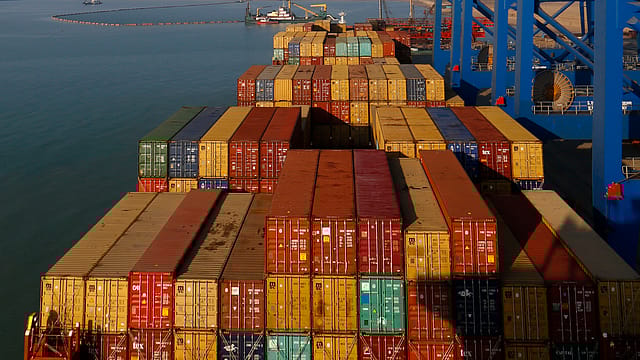
The war situation in the Middle East is exerting relentless pressure on India’s industries and trade, with signals of a widening operational and financial disruptions. While the situation is still evolving, a comprehensive assessment of difficulties faced by the industry is required for timely policy intervention.
Disruption in gas supply risks production continuity
The emerging shortage of piped natural gas (PNG), critical for a range of manufacturing processes, is one of the primary concerns. Any disruption in gas supply risks production continuity, especially in energy-intensive sectors. To make matters worse, businesses are facing a sharp escalation in logistics costs as both domestic freight and international shipping charges have increased significantly, compounded by war-risk premiums. In some instances, these additional charges have swelled to as high as 700–800% of base freight rates, placing considerable pressure on cost and margins.
Several shipping lines have reportedly suspended fresh export bookings due to security risks, while transit times have increased substantially. The matter is complicated due to congestion at ports, and the rerouting of vessels is leading to delays in delivery schedules. In certain cases, cargos are being diverted to alternate ports under force majeure conditions causing insurance coverage to jump substantially.
These disruptions are contributing to a growing blockage of working capital and cash flow problems. Export consignments stuck in transit for extended periods are delaying payments and tightening liquidity, particularly for MSMEs, which are hampered by limited financial manoeuvrability. Further, due to the inability to dispatch finished goods according to supply schedules is leading to inventory build-up, and at the same time, production cycles are being constrained by input shortages.
Risk of production slowdown if conflict persists
If these conditions persist for a longer term, say more than six months, the risks of production slowdowns and, in some cases, temporary shutdowns across industries
would aggravate financial stress, especially for firms that face fixed costs such as loan repayments and interest costs.
The need of the hour in this situation is a coordinated policy measure to stabilise supply chains, ease liquidity pressures, and support industry competitiveness. While the government of India is monitoring the situation, a continuous engagement between government and industry stakeholders is essential to design responsive and timely interventions as the situation evolves in the Middle East.
(The author is Secretary General & CEO, PHDCCI. Views are personal.)