
Prolonged Middle East tensions may rattle India Inc.: Crisil flags risks to energy-linked, trade-exposed sectors
ADVERTISEMENT
Heightened geopolitical uncertainties in the Middle East could weigh on several Indian sectors if disruptions persist, according to a credit alert issued by Crisil Ratings.
The agency flagged risks for sectors with direct trade exposure to the region — including basmati rice, fertilisers, diamond polishing, airlines and travel operators — as well as energy-intensive and crude-linked industries vulnerable to higher input costs.
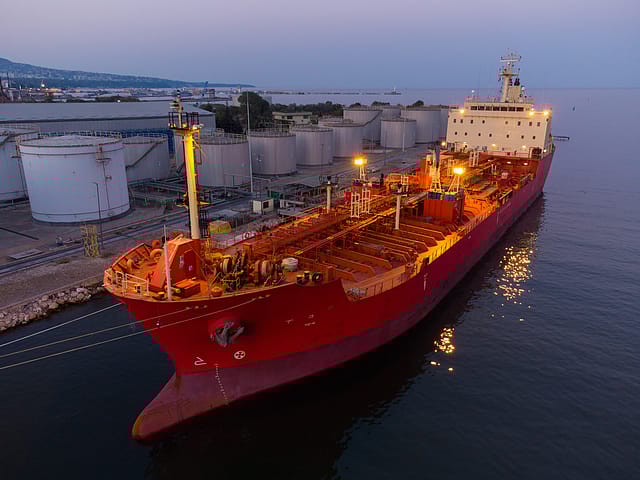
The Strait of Hormuz, a key transit route for global oil and gas, has seen shipping disruptions since March 1, 2026. The Middle East accounts for around 30% of global crude output and 20% of LNG production. India imports nearly 85% of its crude oil and about half its LNG requirement, with a significant portion routed through Hormuz.
Brent crude prices have climbed to $82–84 per barrel from an average $66–67 in January–February, while Asian spot LNG prices have surged to $24–25 per MMBtu from about $10. A sustained spike could widen India’s current account deficit and stoke inflation, while weighing on corporate profitability.
Oil & LNG shock ripples through India Inc.
Energy is a core input across sectors, making crude and LNG price movements the most immediate channel of stress. Elevated oil and gas prices raise production and transport costs, with the degree of impact hinging on companies’ ability to pass these on.
While upstream oil producers may benefit from higher realisations, downstream refiners could face pressure on gross refining margins if retail fuel price hikes lag rising input costs.
Trade-exposed sectors brace for working capital stress
India’s direct trade exposure to the Middle East is material, with the region accounting for roughly 15% of exports and about 20% of imports in the first nine months of the fiscal.
Basmati rice exporters, who ship over 70% of their volumes to West Asia, may encounter shipment delays and stretched receivables if payment cycles elongate. Fertiliser companies face supply-chain disruption risks, as the region supplies a substantial share of India’s fertiliser imports and key intermediates. LNG, a feedstock for urea, has also become costlier, potentially lifting subsidy requirements beyond budgeted levels.
Diamond polishers could see trade disruptions, given the UAE and Israel’s role as major trading hubs. However, alternative centres such as Belgium and Hong Kong may provide partial mitigation.
Airlines, ceramics and refiners face margin squeeze
Aviation is exposed on multiple fronts. Around 10% of Indian carriers’ flights transit to or through the Middle East. Airspace restrictions, coupled with higher jet fuel prices — which account for 35–40% of operating costs — could compress margins, particularly as domestic fare pass-through remains limited. Any sharp rupee depreciation would further strain airlines with foreign currency lease liabilities.
Energy-intensive sectors such as ceramics and city gas distribution may face volume or production pressures if LNG supplies tighten. Crude-linked segments — including paints, specialty chemicals, tyres, flexible packaging and synthetic textiles — could also experience margin
A prolonged rise in crude and LNG prices would have macroeconomic implications. Higher energy import bills could widen the current account deficit and add to inflationary pressures. Freight and insurance costs for sea and air cargo have also risen, potentially impacting profitability for export-import oriented industries.
Further disruption to other key routes, such as the Red Sea corridor via the Suez Canal, could exacerbate supply-chain delays and elevate shipping costs.
Strong balance sheets offer cushion in near term
Despite the emerging headwinds, CRISIL noted that most Indian corporates currently have relatively robust balance sheets, which should cushion near-term credit impact.
However, the agency cautioned that prolonged geopolitical tensions — leading to persistently elevated oil and gas prices and sustained supply disruptions — could gradually intensify pressure across sectors. It said developments will be monitored closely, with credit implications assessed on a case-by-case basis.