
CAQM’s plan to make Delhi-NCR EV-only by 2030: What it means for automakers and consumers
ADVERTISEMENT
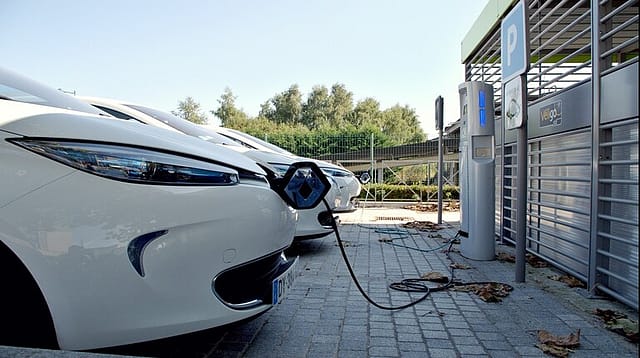
The Commission for Air Quality Management (CAQM) is weighing a far-reaching proposal that could turn Delhi-NCR into India’s first large automotive market where only Electric Vehicles (EVs) are sold by 2030. The plan, currently under discussion with vehicle manufacturers and key government stakeholders, outlines a phased and mandatory transition away from internal combustion engine (ICE) vehicles.
A phased roadmap to 100% EV sales
At the core of the proposal is a framework to assign rising annual EV sales targets to automakers operating in NCR, increasing each financial year and culminating in 100 per cent EV-only sales of new vehicles in the region by April 1, 2030.
The shift is expected to roll out in stages. As per the proposal, all-new taxis sold in NCR could be required to be electric from April 1, 2027, followed by new buses from April 1, 2028, before the mandate extends to all new vehicles — including two-wheelers, three-wheelers, passenger vehicles and commercial vehicles — by 2030.
The expert committee, chaired by Professor Ashok Jhunjhunwala of IIT Madras, is also examining a calibrated phase-down of older Bharat Stage (BS) emission categories as part of the broader clean-air and decarbonisation strategy.
Why CAQM is pushing for aggressive electrification
Transport emissions remain a significant contributor to the region’s chronic air pollution. The committee has been tasked with reviewing regulatory frameworks — including BS emission norms, fuel-efficiency standards and EV policies — and recommending a time-bound, implementable strategy to cut vehicular emissions and associated public health risks.
Officials, however, maintain that the transition would be gradual rather than abrupt, allowing industry time to realign production and dealership strategies, alongside measures such as a proposed “right to charge” framework to support infrastructure deployment.
Industry pushback and infrastructure concerns
Major automakers including Maruti Suzuki, Hyundai Motor India, Tata Motors, Mahindra & Mahindra, Toyota Kirloskar Motor (TKM), etc., have urged caution, seeking a fresh scientific assessment of vehicles’ pollution contribution after the rollout of BSVI and tighter fuel-efficiency norms.
They have argued that the industry is already preparing for the next phase of Corporate Average Fuel Efficiency (CAFE 3) norms, which will further tighten fleet-level emission standards in the coming years. Industry representatives have also flagged concerns around charging infrastructure, grid capacity, battery supply chains and affordability, warning that abrupt mandates without policy alignment could disrupt investments, jobs and consumer demand.
The way forward: Balancing urgency with preparedness
The eventual resolution may hinge on calibration rather than confrontation. An updated emissions assessment, clear timelines and infrastructure benchmarks could help bridge differences between regulators and industry. Aligning the roadmap with central policies and incentive structures, while ensuring charging readiness and consumer affordability, may offer a more sustainable path forward, as per industry observers.