
IPL’s $18-billion playbook: How an eight-week league became India’s most powerful sports business
ADVERTISEMENT
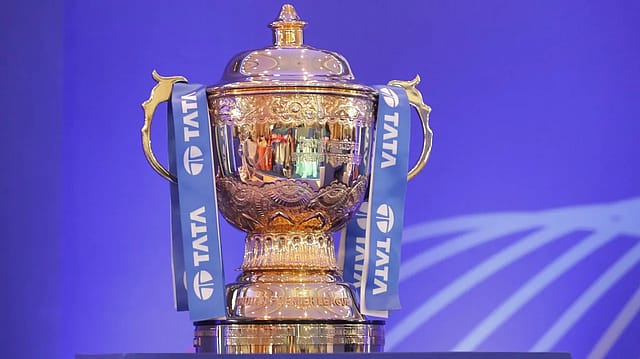
The Indian Premier League (IPL) has never been just about cricket. But nearly two decades after its launch, the scale of what it has become is sharper than ever. With an estimated valuation of around $18 billion (FY25), the league now rivals the size of India’s entire sports industry—despite operating for barely eight weeks a year, according to a recent report by Kotak Mutual Fund. The broader Indian sports industry, currently estimated at around $19 billion, is projected to more than double by 2030.
What sets the IPL apart is not just its growth, but the efficiency of its model. In a global sports landscape where value is typically built over long seasons and legacy fan bases, the IPL has compressed monetisation into a short, high-intensity window—effectively turning itself into one of the most profitable media properties in the country.
What powers the IPL’s revenue engine?
At the core of this transformation lies its media rights engine. From a $918 million deal in 2008, IPL’s broadcast and digital rights have surged to $6.2 billion for the 2023–2027 cycle, reflecting an 18% compound annual growth rate. This growth has been underpinned by a massive expansion in viewership. The league now reaches close to a billion viewers across television and digital platforms, with streaming emerging as a critical driver. The opening weekend of IPL 2025 alone recorded 1.37 billion views, highlighting how deeply embedded the tournament is in India’s mobile-first consumption ecosystem.
According to the report, this scale is translating directly into revenue. Advertising income is projected to touch $600 million in 2025, reinforcing the IPL’s position as a premium destination for brands seeking mass reach.
Why are IPL franchises seen as annuity-like assets?
Equally significant is how the league has engineered financial stability at the franchise level. Unlike most global sports leagues, the IPL operates as a closed system with no relegation risk. A large share of team revenues—over 70%—comes from centrally pooled media rights and sponsorship deals, ensuring predictable cash flows. This has transformed franchises into annuity-like assets, attracting investors who view them less as sporting bets and more as structured, revenue-generating businesses.
Beyond media rights, the IPL has built a diversified revenue base. Advertising revenues have expanded from ₹350 crore in its early years to an estimated ₹6,000–7,000 crore by 2025, while title sponsorships have grown from ₹40 crore to about ₹500 crore. Franchise-level sponsorships now add another ₹1,300 crore to the ecosystem, underscoring the league’s ability to monetise across layers.
How does the IPL impact the broader economy?
As the report highlights, the league’s economic footprint extends well beyond its balance sheet. It acts as a demand catalyst across sectors, driving spikes in tourism, hospitality and consumption. Hotel occupancy in host cities often exceeds 90% during the season, while travel demand can rise by as much as 60–70%. E-commerce sales see a noticeable uptick, and food delivery platforms report sharp increases in order volumes on match days.
Even matchday revenues, which account for less than 10% of franchise income, have a disproportionate impact on local economies—pushing up room tariffs, boosting transport demand, and generating temporary employment across sectors.
The IPL’s journey has not been without setbacks, including a pandemic-led dip in 2020. But its recovery has been swift, with valuations crossing $10 billion in 2023 and continuing to climb. The resilience of the model lies in its combination of centralised revenues, cost discipline, and the ability to continuously expand its digital audience.
Today, the IPL operates at the intersection of sport, media, and technology. It is not just a tournament but a scalable business platform—one that monetises attention with remarkable precision. In doing so, it has created a blueprint not just for cricket, but for the future of sports leagues in a digital-first world.