
Sports is not a short-term game for us: Unite8 Sports chief on Zee’s FIFA bet
ADVERTISEMENT
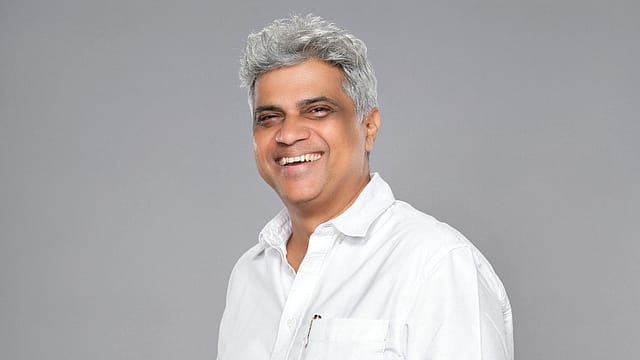
For decades, Indian sports broadcasting has largely been synonymous with cricket. But as audience behaviour evolves and digital consumption deepens, broadcasters are beginning to look beyond traditional playbooks—and Zee Entertainment Enterprises is making one of its strongest moves yet. The company has secured rights to key FIFA properties through 2034 and launched its dedicated sports network under the Unite8 Sports brand, signalling a deeper push into building a diversified sports business. The portfolio includes the FIFA World Cup 2026 and 2030 editions, FIFA Women’s World Cup 2027, youth tournaments and multiple FIFA properties over an eight-year cycle, as Zee looks to make sports a strategic growth pillar across television and ZEE5.
The timing aligns with Zee’s broader growth agenda. In FY26, the company reported operating revenue of ₹80,989 million while ZEE5 revenue grew 53% year-on-year to ₹14,888 million and its digital business achieved adjusted EBITDA breakeven—creating room for selective long-term bets such as sports. In an interview with Fortune India, Bavesh Janavlekar, Chief Business Officer, Unite8 Sports, Zee Entertainment Enterprises Ltd, spoke about the company’s long-term sports strategy, why football has reached an inflection point in India, and how Zee plans to build a sustainable business in a competitive rights market. Edited excerpts:
Zee has made a significant strategic move by acquiring FIFA rights through 2034 and simultaneously launching Unite8 Sports. Why enter sports in a meaningful way at this point?
If you look at the way entertainment and content consumption are evolving globally and in India, audiences today want richer experiences and stronger engagement with categories they feel deeply connected to. Sports naturally creates that level of engagement.
India has traditionally been a cricket-first market and cricket will continue to remain an important part of the ecosystem. But at the same time, several other sports are beginning to show strong momentum. We are seeing Indian athletes consistently deliver world-class performances across hockey, wrestling, combat sports and football.
The reality is that the challenge is not talent. The challenge is creating sustained visibility and building ecosystems around these sports.
For us, entering sports in a bigger way was both a strategic and consumer-led decision. Zee already has deep regional reach, distribution strength and storytelling capabilities. Sports gives us an opportunity to leverage those strengths and build a differentiated proposition for audiences.
Our strategy is built on two pillars. One is leveraging marquee international IPs such as FIFA. The second is building regional and local sports IPs over time. That combination allows us to create stronger engagement and open opportunities for new advertiser categories as well.
Where does sports fit into Zee’s larger growth strategy over the next three to five years?
Sports operates at multiple levels for us.
At the network level, it allows us to expand into completely new audience and advertiser segments. Until now, sports was not a meaningful contributor to ZEE5 outside select properties. With a long-term association around football and additional investments in sports, we see the category becoming an important growth engine.
What excites us is that sports does not simply add viewers. It acts as an amplifier. It helps attract new audiences while also strengthening engagement among users already consuming content across our platforms.
Sports also brings a younger demographic into the ecosystem and creates opportunities to increase the lifetime value of consumers by offering a broader content experience across television and digital.
Can you walk us through the economics of the FIFA partnership and the broader portfolio attached to it?
One thing we were very clear about from the beginning was that we did not want to evaluate FIFA World Cup 2026 as an isolated rights acquisition. The intention was always to build a longer runway.
The partnership includes not only FIFA World Cup 2026 and FIFA World Cup 2030, but also Women’s World Cup, youth tournaments, intercontinental competitions and multiple recurring events extending till 2034. When combined, the portfolio translates into close to 39 events over the duration of the agreement.
Some events are annual and others happen every two years, but collectively they allow us to stay connected with audiences continuously. Sports ecosystems are built over time. You cannot create fandom around one event and disappear.
India already has a meaningful football audience, and we believe football is currently at an inflection point—not only in terms of popularity but also in terms of commercial opportunity.
Sports broadcasting has become increasingly competitive, and rights inflation remains elevated. How does Zee intend to build a sustainable sports business?
Sustainability is critical to our approach. A large part of the conversation around sports rights in India tends to be influenced by cricket valuations. But our view is that every sport needs to be evaluated differently. We are not entering sports to chase rights for the sake of visibility. Every investment must make economic sense over the long term.
Sports is inherently a multi-year business and returns do not happen overnight. That means our capital allocation framework has to remain disciplined.
The guiding principle is simple—if a property aligns with our long-term vision and has the potential to create sustained engagement and value creation, we will pursue it. If not, we will stay away. We are not interested in transactional decisions.
Unite8 Sports is being positioned as a multi-sport destination across football, cricket, kabaddi, badminton, and combat sports. How do you evaluate monetisation outside cricket?
We believe this is where a significant long-term opportunity exists.
Take badminton as an example. India has world-class players delivering world-class performances, but the ecosystem around the sport still needs stronger commercial platforms. The same applies across wrestling, hockey and several emerging sports.
Our role is not limited to broadcasting. We have to package the sport better, build stronger narratives around athletes and create experiences that deepen audience engagement. Monetisation in these categories may take longer than cricket, but that does not reduce the opportunity. If you build fandom and consistency, advertisers will participate.
India is moving toward a more diversified sports consumption environment and we want to be part of building that future.
How do you create advertiser stickiness in categories where audiences are still developing?
This is not something that happens overnight.
Building advertiser confidence requires consistency. One of our strengths is the larger Zee ecosystem and our regional footprint. That gives us the ability to create awareness and stronger emotional connections around sports properties.
Regional sports consumption is also highly nuanced. Different states have affinities toward different sports and that creates opportunities for targeted engagement.
But beyond distribution, storytelling and education become equally important. Sports ultimately works on emotional investment. When audiences become invested in athletes and sporting journeys, advertisers become long-term participants.
Live sports remains one of the strongest drivers of premium advertising and subscriptions. What impact do you expect on ZEE5?
Sports changes audience behaviour significantly. Historically, subscriber growth on ZEE5 has been driven by originals, movies and entertainment content. Sports introduces a completely different audience segment. Properties like FIFA create opportunities to acquire users who may never have entered the platform otherwise.
The next challenge—and opportunity—is retaining those audiences through the wider content ecosystem. Digital also opens stronger opportunities for fan engagement through flexibility, personalisation and data-led experiences.
Globally, sports consumption is becoming increasingly digital-first, and we expect that trend to accelerate in India as well.
You have described sports as a value-accretive business. What financial guardrails are in place?
We approach sports with discipline. Every investment has to align with long-term value creation. That means balancing marquee international properties with scalable homegrown IPs.
Sports is not a business where returns happen immediately. But if built correctly, it creates durable engagement and long-term economic value. That is the framework guiding our decisions.
Cricket continues to dominate sports economics in India. How does Zee think about cricket opportunities?
Cricket remains important and it will continue to be part of our sports strategy. But we will be selective. There are different layers within cricket and opportunities vary significantly across properties.
Our objective is not to inflate valuations or participate for the sake of presence. We want to pursue opportunities where economics remain sustainable and aligned with long-term growth.
Looking ahead, what would success for Unite8 Sports look like?
Success would mean becoming a destination that audiences naturally associate with sports. Football is an important pillar, but Unite8 Sports is designed to be broader than one sport. The idea is to bring together global sporting experiences and regional sporting cultures.
If audiences begin to associate us with consistent, high-quality and accessible sports experiences across categories, we will consider that success. Sports is a long-term commitment for us and we are building with that mindset.