
‘We want to be the reference point,’ says Tissot CEO on India’s next growth phase
ADVERTISEMENT
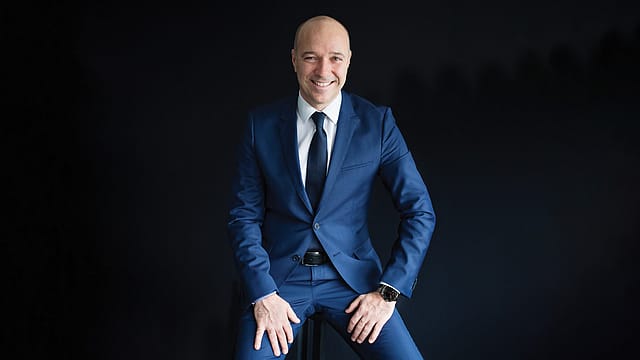
As Tissot deepens its India focus, the brand is moving beyond traditional retail expansion to sharpen its direct-to-consumer (D2C) strategy. With the launch of its dedicated e-commerce platform—the first by any brand under the Swatch Group in the country—the company is looking to take control of how consumers discover, evaluate, and purchase its products.
CEO Sylvain Dolla, in an interview with Fortune India, explained the thinking behind the move, the evolving Indian consumer, and how the brand plans to scale in an increasingly competitive market.
What strategic gap does the D2C platform address in Tissot’s distribution model?
Dolla positions the launch as a response to fragmentation in the customer journey. While Tissot has a strong presence across more than 400 stores in India and is available on select luxury e-commerce platforms, the experience has not always been uniform.
“With our own platform, we can engage directly with consumers and offer a more consistent and reliable experience, while ensuring that they are purchasing directly from the brand,” he says. Orders are fulfilled from a local warehouse in India, which, according to Dolla, improves service quality while reinforcing authenticity.
Importantly, the platform is not just another sales channel. “This platform also serves as a reference point for how Tissot should be experienced online in the market,” he adds.
How will this move shape consumer behaviour and competition?
As the first Swatch Group brand to introduce a dedicated e-commerce platform in India, Tissot is effectively testing how premium watch retail evolves in a digital-first environment.
Dolla believes the shift is aligned with changing consumer expectations. “This step allows us to engage more closely with a generation that is very familiar with digital environments and is exposed to influences from all over the world,” he says. “They’re curious, they compare, and they expect experiences that are intuitive and well made.”
Over time, he expects such initiatives to influence the broader market. “It can raise expectations of what a premium online journey should be, from ease of navigation to the overall impression it leaves.”
What will drive the target of 10% sales from e-commerce?
Tissot is targeting 10% of its overall sales from e-commerce, but the strategy is not built around pricing or discounting. Instead, the focus is on enabling confident decision-making.
“We want people to feel confident in their choice when they buy a Tissot online,” Dolla says. To that end, the brand is investing in tools such as watch comparison features, strap visualisation, and guidance on bracelet sizing.
“We’re also investing in richer visuals, including 3D content, so the watch feels more tangible even through a screen,” he adds. Looking ahead, services such as engraving and virtual try-on are also being considered.
How does Tissot plan to scale to a 35% market share?
Tissot already leads the mid-price Swiss watch segment by volume and ranks among the top by value. Its next phase of growth, however, is rooted in reinforcing its existing strengths rather than changing course.
“Growth comes from building on what people already trust and value about Tissot, while continuing to innovate,” Dolla says. This includes evolving key collections and ensuring designs remain relevant.
Equally important is consistency across touchpoints. “Whether people meet Tissot in store, online, or through our service network, the experience should feel coherent and reliable. When it does, growth follows naturally.”
Why is India becoming a key global market for Tissot?
India is expected to become Tissot’s third-largest global market by 2026, driven by demographic and behavioural shifts.
“India has an incredible energy. It’s young, ambitious and increasingly drawn to brands that stand for quality, credibility, and lasting value,” Dolla says.
To capitalise on this, the company continues to expand its physical footprint, with around 25 mono-brand franchises and plans to open five more this year, alongside its network of over 400 multi-brand retailers. The new e-commerce platform complements this expansion by improving accessibility.
How is Tissot balancing offline retail with D2C digital channels?
Despite the push towards digital, Dolla underscores that physical retail remains central to the category.
“A watch is an emotional purchase: people want to feel the weight, the texture, the story behind it, and physical retail creates that connection,” he says. At the same time, he adds that digital “brings flexibility and convenience. It lets people explore, compare, and come back in their own time,” allowing consumers to engage with the brand on their own terms before making a purchase.
The strategy, therefore, is integration rather than substitution. “The goal isn’t to choose one over the other, but to let them work together, so people can move naturally between online and offline depending on what they need.”
How is the brand adapting to younger consumers and non-metro demand?
Tissot is seeing strong traction among younger buyers and in non-metro markets, prompting a shift in product and design strategy.
“We’re seeing a wonderful new generation in India, across all regions, approaching watchmaking with a lot of curiosity and openness,” Dolla says. These consumers are looking for designs that feel “fresh and contemporary,” whether through new materials, colours, or finishing touches that give the watch its own personality.
“Rose-gold tones, for example, have become increasingly appreciated, especially during gifting occasions,” he notes, adding that such preferences are shaping future collections and influencing how the brand tailors its offerings for the Indian market.
What do the financials indicate about Tissot’s India strategy?
The financials of Swatch Group (India) Tissot Retail Pvt. Ltd suggest the business is still in an investment phase. For FY25, the company reported revenue of ₹3.67 lakh and a net loss of ₹4.86 lakh, with total expenses at ₹8.32 lakh, while holding cash and cash equivalents of over ₹3.02 crore, supported by financing inflows.
As part of the Swatch Group—one of the world’s largest watchmakers, with brands such as Omega, Longines, and Tissot—the India entity appears backed for long-term growth, with a clear focus on building infrastructure and brand presence ahead of scale.
How intense is competition in the segment?
Tissot operates in a crowded Swiss watch market, competing with brands such as Longines, TAG Heuer, Certina, and Mido, along with global leaders like Rolex across overlapping price segments.
In India, this competition extends beyond Swiss peers to strong domestic players such as Titan Company and its premium sub-brands like Titan Edge and Nebula by Titan, as well as newer entrants and fashion-led brands that are shaping consumer preferences at multiple price points.
For Tissot, the India strategy is no longer just about expansion—it is about ownership. As Dolla puts it, the ambition is to ensure that every interaction with the brand, whether online or offline, delivers a consistent and reliable experience. In a market where consumers are becoming more discerning and competition is intensifying across both global and Indian players, that consistency could well become its strongest differentiator.