
CII presents 12-point plan to limit impact of West Asia crisis, urges industry to work closely with govt
ADVERTISEMENT
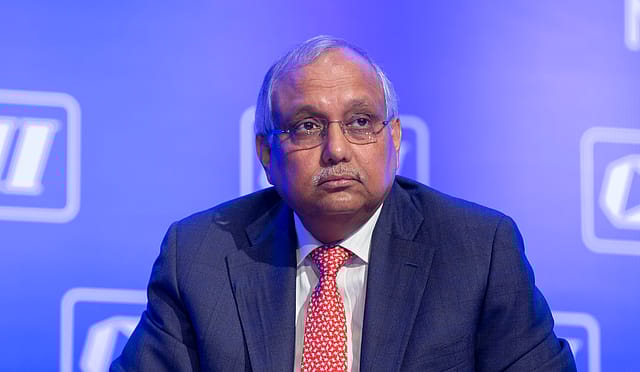
The Confederation of Indian Industry (CII) on Sunday laid out a 12-point action plan for companies, urging industry to work closely with the government to manage the impact of the ongoing West Asia crisis.
The industry body also commended the government’s handling of the situation, saying the response had helped contain immediate risks to the economy.
CII Director General Chandrajit Banerjee said, “the Government’s response has been timely, measured and reassuring. It reflects a whole of government approach that has focused on keeping supply chains functional, supporting exporters, protecting households and maintaining macroeconomic stability.”
He added that “these measures have helped contain inflationary pressures, sustain industrial activity and preserve confidence at a time of global uncertainty, while also supporting jobs and livelihoods across sectors.”
Industry role in stabilising supply chains
CII said the current crisis is largely a supply-side disruption, with pressure coming from higher energy costs, logistics challenges and tighter working capital cycles.
“The policy approach has correctly focused on maintaining production continuity and supporting viable enterprises,” Banerjee noted, adding that “the next phase requires industry to build on this foundation with practical and responsible actions.”
The industry body called on companies to build strategic reserves of critical raw materials and fuels, ensure price stability by passing on cost benefits to consumers, and diversify sourcing to strengthen supply chains.
It also urged firms to accelerate investments in clean energy, including renewables and green hydrogen, and explore shifting from LPG to natural gas where feasible. Businesses, especially in large-scale food services, were advised to adopt fuel-efficient alternatives such as electric or bio-based solutions.
Focus on MSMEs, jobs and resilience
CII emphasised the need to protect jobs and support smaller firms during the crisis. It asked large companies to extend faster payments and better credit terms to MSME partners to ease liquidity pressures.
The industry body also recommended strengthening risk management practices, improving supply chain visibility through technology, and building flexibility in procurement and contracts.
“This is a moment for partnership. The Government has created a strong enabling framework. Industry can complement this by ensuring continuity, supporting smaller enterprises and maintaining confidence across the economy,” Banerjee said.
He further noted that “the current developments underline the importance of economic security as a central pillar of India’s growth strategy,” adding that CII would work closely with stakeholders to develop actionable solutions.
Government steps to cushion impact
CII said the government has taken several measures since the crisis began on February 28, including steps to secure energy supplies, stabilise markets and support exports.
These include increasing LPG availability, prioritising gas allocation for key sectors, restoring export incentives such as RoDTEP, and expanding export credit and insurance support. The recent cut in excise duty on petrol and diesel has also helped moderate logistics costs.
The continuation of welfare schemes like the PM Garib Kalyan Anna Yojana has supported vulnerable households and helped sustain demand.
CII said coordinated action between the government and industry would be key to navigating the ongoing disruptions while strengthening long-term economic resilience.